Comprehensive Outdoor Drainage Solutions to Fortify Your Property
What Essential Functions Do Outdoor Drainage Solutions Serve?

Outdoor drainage solutions are crucial systems meticulously designed to manage water flow across properties, with a primary focus on preventing flooding and soil erosion. This is especially critical in regions like West End, Vancouver, where heavy rainfall presents significant challenges for homeowners. The overarching goal of these services is to safeguard the structural integrity of properties while ensuring a safe and functional landscape. Key offerings in this domain typically encompass:
- Site assessment and consultation to accurately determine drainage requirements
- Installation of diverse drainage systems, including French drains and surface drains
- Maintenance and repair services for existing drainage systems
- Waterproofing and foundation protection services
- Stormwater management solutions to efficiently control excess rainfall
- Erosion control measures designed to protect soil integrity
- Landscaping consultation aimed at minimising water accumulation in susceptible areas
Each of these services plays a vital role in effective water management, thus protecting properties from a myriad of hazards associated with inadequate drainage.
Why Is Efficient Drainage Essential for Property Safety and Value?
Ensuring proper drainage is fundamental for any property owner, as it profoundly impacts both the safety and overall value of the property. Well-functioning drainage systems prevent water accumulation, which could lead to severe damage over time. The ramifications of insufficient drainage are significant and can encompass:
- Foundation damage resulting from water infiltration into critical structures
- Mold growth, which poses health risks to inhabitants and can necessitate costly remediation
- Landscape degradation and subsequent soil erosion that undermines property aesthetics
- Decreased property value due to visible damages and necessary repairs
- Pest infestations attracted by stagnant water that can lead to further health concerns
- Increased maintenance costs as drainage issues escalate over time
- Septic system failures or backups caused by improper water management
Understanding these risks emphasises the critical necessity of investing in robust drainage solutions that can effectively mitigate potential problems before they arise.
How Does Local Climate Influence Drainage Requirements?
The local climate in West End, Vancouver, has a profound impact on the drainage requirements necessary for effective water flow management. Renowned for its considerable rainfall throughout the year, property owners must carefully consider specific drainage solutions tailored to these conditions. Key climate-related drainage considerations include:
- High precipitation levels, particularly during winter months, that necessitate robust systems
- Soil saturation rates that directly affect drainage efficiency and efficacy
- The likelihood of flash flooding in low-lying areas that can overwhelm inadequate systems
- Seasonal variations that may require adjustments in drainage strategies
- Types of vegetation that can impact drainage patterns and soil absorption capabilities
- Local regulations concerning stormwater management that must be adhered to
- Proximity to water bodies that may influence drainage needs and potential risks
These factors collectively shape the strategies for outdoor drainage in the area, making it essential to adapt solutions to the specific local conditions for optimal performance.
What Varieties of Outdoor Drainage Systems Are Available?
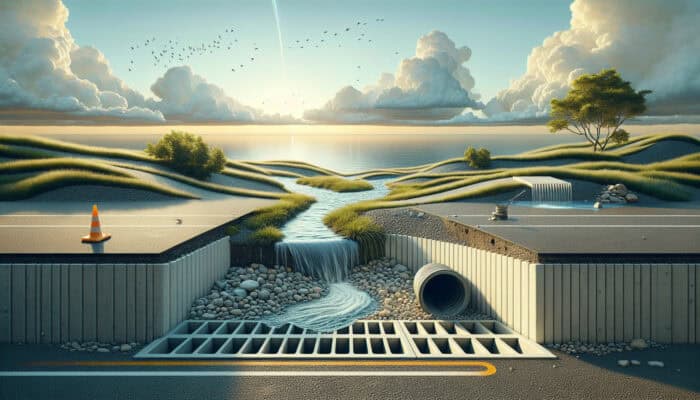
Numerous types of outdoor drainage systems are available, each meticulously designed to effectively address specific property needs and environmental conditions. Understanding these systems empowers property owners to choose the most suitable solution for their unique circumstances. Common types include:
French Drains: These systems comprise trenches filled with gravel and a perforated pipe designed to redirect water away from structures. The installation process involves digging a trench, laying gravel, placing the pipe, and covering it to ensure efficient water flow away from foundations.
Surface Drains: Surface drains capture water at the surface level, making them ideal for flat areas or locations with high water flow. They are particularly effective in parking lots or driveways, where they can quickly channel water away from critical areas to prevent pooling.
Dry Wells: Dry wells are underground structures that temporarily hold water, allowing it to seep into the ground gradually. They are particularly useful in areas with slow soil drainage, as they help mitigate flooding and manage stormwater effectively while promoting groundwater recharge.
Understanding these various systems empowers homeowners to make informed decisions regarding their drainage needs, significantly enhancing the safety and functionality of their properties.
Exploring In-Depth Drainage Systems
Understanding the Benefits of French Drains
French drains provide an efficient solution for redirecting both groundwater and surface water away from residential foundations. The installation begins with a comprehensive assessment of the property’s layout to determine the most effective route for the drain. Initially, a trench is excavated, typically around 6 inches wide and at least 18 inches deep, sloping away from the foundation at a gradient of approximately 1%.
Next, a layer of gravel is placed at the bottom of the trench to enhance drainage capability. A perforated pipe is positioned on top, with its holes facing downward, allowing the system to efficiently collect water from both the soil and surface levels. The pipe is then covered with additional gravel, ensuring unobstructed water flow while preventing soil from clogging the system. Finally, soil or sod is used to restore the landscape above the drain, providing an aesthetically pleasing finish.
The benefits of French drains extend beyond mere water diversion; they also significantly assist in preventing soil erosion and protecting landscaping by maintaining optimal moisture levels. In regions like West End, where heavy rainfall is common, implementing a French drain system can drastically reduce the risk of basement flooding and other structural damage, thereby safeguarding property investments.
How Surface Drains Enhance Water Management Effectiveness?
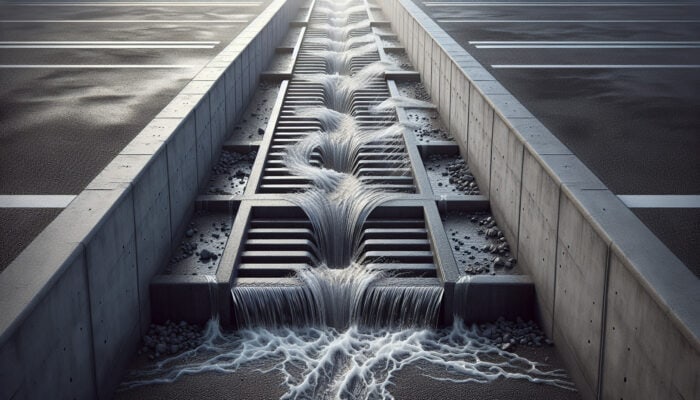
Surface drains are particularly beneficial for areas that experience significant water accumulation, such as driveways, parking lots, and flat landscapes. These drains operate by capturing water at the surface and efficiently channeling it away, thereby preventing water pooling that can create slippery conditions and potential property damage.
The installation process for surface drains begins with identifying areas where water tends to collect most frequently. Once identified, a trench is excavated, and the drain is placed at the lowest point. Featuring a grated top, surface drains facilitate easy collection of runoff while preventing debris from causing clogs. Ensuring proper slope is essential to guarantee natural water flow into the drain, maximising efficiency.
These drains can also be integrated with other drainage systems, offering a comprehensive solution for effective excess water management. Their efficiency in reducing sediment runoff and protecting landscapes makes surface drains a preferred choice among property owners in West End, Vancouver, ensuring their properties remain safe and functional during heavy rains.
Why Are Dry Wells Crucial for Effective Stormwater Management?
Dry wells represent an innovative approach to effectively managing stormwater, particularly in areas where soil drainage is limited. These underground structures are designed to collect and temporarily store excess water, allowing it to gradually infiltrate the ground. A typical dry well system consists of a large, perforated container buried underground, often filled with gravel or rocks to facilitate efficient water infiltration.
The operation of a dry well begins with the collection of surface water from gutters, downspouts, or drainage systems. Water flows into the dry well, where it is stored until the surrounding soil can absorb it. This method not only helps prevent flooding but also promotes groundwater recharge, which is essential for sustaining local water levels and maintaining a healthy ecosystem.
Dry wells are particularly beneficial in West End, where the risk of flooding during heavy rains is heightened. By allowing excess water to dissipate gradually, these systems mitigate the impact of intense rainfall, thereby protecting properties and preserving the local ecosystem’s health and balance.
Insights from Experts on Outdoor Drainage Services in West End, Vancouver
What Expert Recommendations Exist for Tailored Drainage Solutions?
When contemplating outdoor drainage solutions in West End, Vancouver, local experts underscore the importance of customised solutions that cater to specific property characteristics and unique environmental conditions. A comprehensive site assessment is paramount, as it enables professionals to evaluate drainage requirements based on factors such as topography, soil type, and existing water flow patterns.
For example, one successful project involved a residential property grappling with persistent heavy rainfall that led to basement flooding. Following a thorough evaluation, experts recommended installing a French drain alongside a dry well system. This dual approach effectively redirected excess water away from the home while allowing for controlled infiltration into the ground, thus preventing future flooding issues and enhancing overall property safety.
Another noteworthy example featured a commercial building struggling with surface water runoff from its expansive parking lot. The installation of surface drains significantly improved water management, ensuring that the parking area remained functional and safe even during heavy rains. These real-world cases underscore the effectiveness of customised drainage solutions tailored to local conditions, providing invaluable insights for property owners.
What Are the Best Practices for Installing Drainage Systems?
Achieving successful drainage installation necessitates adherence to best practices that enhance the system’s effectiveness and longevity. The first step involves conducting a thorough site assessment to identify specific drainage challenges. This assessment should include an analysis of soil type, existing water flow patterns, and potential problem areas such as low spots or compacted soils that may hinder drainage efficiency.
Upon completing the assessment, selecting the appropriate drainage system becomes paramount. Homeowners should consider systems that align with their specific needs—whether it’s a French drain, surface drain, or dry well. Engaging professional installation services is advisable, as improper installation can lead to complications such as ineffective water management and system failures that may require costly repairs.
Additionally, homeowners should contemplate integrating landscaping solutions that complement drainage systems. For example, grading the landscape away from the home can promote better water flow, while utilising native plants can enhance soil stability and assist in absorbing excess moisture, thus contributing to a healthier environment.
What Maintenance Tips Do Professionals Recommend for Drainage Systems?
Regular maintenance of drainage systems is vital to ensure their effectiveness and longevity. Experts recommend establishing a routine inspection schedule, ideally twice a year, to assess the system’s condition and functionality. Homeowners should be vigilant for signs of clogs, such as pooling water or overly saturated soil around the drainage area during these inspections.
Cleaning out debris, leaves, and sediment build-up is critical, particularly before the rainy season. Clogged drains can lead to overflow, resulting in water damage and erosion that may threaten both the property and the surrounding landscape. Furthermore, homeowners should monitor the system’s performance following heavy rainfall to detect any potential issues early on, allowing for timely interventions.
If drainage systems are not functioning as expected, it is essential to seek professional maintenance promptly. Experts can effectively diagnose issues and implement solutions to restore system functionality. Regular maintenance not only extends the lifespan of drainage systems but also saves homeowners from incurring costly repairs in the future, making it a wise investment in property care.
How Can Drainage Services Significantly Elevate Your Property?
Boosting Property Value Through Effective Drainage Solutions
Investing in effective drainage systems can significantly elevate property value by proactively addressing potential issues related to water damage. A well-designed drainage system prevents water from pooling around foundations, which may lead to structural problems over time. By protecting the integrity of the property, homeowners can maintain and even enhance the overall market value, making their property more appealing to potential buyers.
Moreover, properties equipped with reliable drainage solutions tend to attract more prospective buyers. Homes that exhibit proactive measures for water management provide assurance to buyers regarding maintenance and future costs. Additionally, well-maintained landscapes enhance curb appeal, contributing to higher property valuations and desirability in competitive real estate markets.
The long-term benefits of investing in drainage systems also extend to reduced insurance costs due to a lower risk of water-related claims, alongside increased longevity of landscaping. As properties in West End continue to experience changing weather patterns, the significance of effective drainage solutions becomes increasingly relevant for prospective buyers, further underscoring the value of these systems.
How Effective Drainage Prevents Costly Water Damage?
The primary purpose of an effective drainage system is to avert water damage to homes. When water accumulates around foundations, it can result in severe structural issues, including cracks in walls and floors, mold growth, and compromised foundation integrity. A properly installed drainage system effectively redirects water away from critical areas, safeguarding the home from these potential hazards and preserving its value.
Furthermore, drainage systems play a vital role in managing stormwater runoff, which can carry contaminants and debris that exacerbate water damage. By employing systems such as French drains and surface drains, property owners can mitigate the risk of flooding and lessen the impact of heavy rainfall, ensuring that their homes remain safe and dry.
In West End, where heavy rainfall is frequent, homeowners must prioritise effective drainage solutions to protect their properties. Investing in drainage systems can ultimately save property owners substantial repair costs while safeguarding their investments against the adverse effects of water damage.
Enhancing Landscape Health Through Proper Drainage Practices
Effective drainage is crucial for fostering healthy soil and supporting plant growth. Excess water in the soil can lead to waterlogging, depriving plant roots of oxygen and resulting in root rot and other plant diseases. By implementing efficient drainage systems, property owners can maintain optimal soil moisture levels conducive to healthy plant development, ensuring vibrant and thriving landscapes.
Moreover, proper drainage helps prevent soil erosion, a common issue in areas experiencing heavy rainfall. Erosion can strip away nutrient-rich topsoil, hindering plant growth and resulting in landscape degradation that can diminish property aesthetics. Well-designed drainage systems channel water away from critical areas, preserving the integrity of the landscape and fostering the growth of healthy vegetation that enhances the overall beauty and value of the property.
Homeowners in West End should remain vigilant about signs of poor drainage affecting their landscape, such as dead patches in the lawn, stunted plant growth, or visible soil erosion. By addressing these issues through effective drainage solutions, they can enhance their property’s visual appeal and ecological health while ensuring a sustainable environment for future generations.
What Costs Are Associated with Drainage Services?
Understanding Key Factors That Influence Drainage Service Costs
The costs associated with outdoor drainage services can vary significantly based on several critical factors. One of the primary determinants is the type of drainage system selected, as different systems require varying levels of materials and labour. For instance, French drains generally involve more extensive excavation and materials compared to surface drains, thus impacting overall cost and installation time.
Another critical factor is the size of the property. Larger properties may necessitate more extensive systems to manage water effectively, which can drive up costs due to increased material and labour requirements. Additionally, the complexity of the installation process, including any necessary grading or landscaping adjustments, can also influence pricing and overall project scope.
On average, homeowners can anticipate spending between $1,500 to $5,000 for standard drainage installations, influenced by these variables. It is advisable for homeowners to obtain multiple quotes from reputable service providers to ensure they receive the best value for their investment while considering the quality of materials and expertise provided.
How to Effectively Budget for Drainage Installation?
Budgeting for drainage installation requires a clear understanding of the scope of work involved and awareness of potential additional costs. Homeowners should begin by establishing a budget range based on initial quotes and their specific needs. It is essential to account for the type of system selected, any site preparation, or landscaping modifications that may be necessary to ensure successful installation and functionality.
In addition to installation costs, homeowners should factor in ongoing expenses related to maintenance and potential repairs. Establishing a maintenance schedule and setting aside funds for periodic inspections and cleanings can help prevent larger repair costs down the road, ensuring the longevity and effectiveness of the drainage system.
Moreover, homeowners should familiarise themselves with local regulations concerning drainage systems, as permits or inspections may incur additional costs. By thoroughly planning and budgeting for both installation and maintenance, homeowners can secure a successful drainage solution that aligns with their financial parameters while safeguarding their property.
What Are the Long-Term Savings from Effective Drainage Solutions?
Investing in outdoor drainage systems yields significant long-term savings by preventing costly water damage and repairs. Properties lacking effective drainage are at a higher risk of foundation issues, mold growth, and landscape degradation—each of which can lead to expensive repairs and diminished property value that may require substantial investment to rectify.
Efficient drainage solutions also contribute to lower insurance premiums, as homes with proactive water management are generally less likely to file water damage claims. Additionally, maintaining the health of the landscape can reduce the need for costly landscaping renovations caused by erosion or water-related damage, thus preserving the appeal and functionality of the property.
Overall, the financial benefits of installing a drainage system become apparent over time, as homeowners enjoy reduced maintenance costs and enhanced property value. Taking the initiative to invest in effective drainage solutions ensures a wise financial decision that yields rewards for years to come, ultimately protecting the homeowner’s investment.
Understanding Maintenance and Repair Costs for Drainage Systems
Regular maintenance and occasional repairs are essential for the longevity and effectiveness of drainage systems. Homeowners should budget for routine maintenance, which typically includes inspections and cleanings to eliminate debris and sediment accumulation. On average, homeowners can expect to pay between $100 to $300 annually for these services, depending on the condition of the system and local service rates.
Beyond standard maintenance, homeowners should also allocate funds for potential repairs. Over time, drainage systems may experience wear and tear, necessitating repairs or updates to maintain optimal performance. Repair costs can vary widely, ranging from minor fixes that may cost a few hundred dollars to more extensive repairs that could reach into the thousands, depending on the severity of the issue and required solutions.
By prioritising regular maintenance and budgeting for potential repairs, homeowners can safeguard their investment and ensure their drainage systems remain effective in managing water flow while enhancing the property’s overall resilience.
How to Choose the Most Suitable Drainage Service Provider?
What to Consider Regarding Experience and Expertise?
Selecting the right drainage service provider is crucial for ensuring effective installation and maintenance of drainage systems. Homeowners should prioritise providers with a strong track record and extensive experience in West End, Vancouver. This local expertise guarantees that the provider understands the specific drainage challenges posed by the area’s climate and topography, ensuring tailored solutions that meet individual needs.
One effective method to evaluate a provider’s experience is by reviewing their portfolio of completed projects. Homeowners should seek examples of similar installations that demonstrate the provider’s capacity to tackle a variety of drainage challenges competently. Additionally, certifications and licenses can offer assurance regarding the provider’s qualifications and adherence to industry standards, further instilling confidence in their services.
Homeowners should also consider the provider’s approach to site assessments and consultations. A reputable provider will thoroughly evaluate the property, offering customised solutions that address specific drainage issues while providing transparent communication throughout the process. Ultimately, selecting a provider with the right experience and expertise is vital for achieving successful drainage outcomes that protect the property and enhance its value.
How to Evaluate Reviews and References for Service Providers?
Before finalising a drainage service provider, homeowners should investigate reviews and references to gain insights into the provider’s reliability and customer satisfaction. Online reviews on platforms such as Google, Yelp, and HomeAdvisor can provide valuable insights into the experiences of previous clients, helping homeowners assess the quality of service they can expect.
In addition to online reviews, requesting references directly from the provider can yield crucial information. Engaging with previous clients allows homeowners to inquire about specific experiences, including the quality of work, adherence to timelines, and overall satisfaction with the services rendered. This first-hand feedback can illuminate the provider’s strengths and weaknesses, enabling more informed decision-making.
Focusing on providers with consistently positive feedback and a strong reputation within the community is advisable. A provider with a proven record of successful projects and satisfied customers is more likely to deliver quality results that meet and exceed homeowner expectations.
What Should Homeowners Know About Service Guarantees?
Service guarantees are a critical consideration when selecting a drainage service provider. These guarantees offer homeowners peace of mind, ensuring that the provider stands behind their work. Reputable companies often provide warranties that cover both workmanship and materials, protecting homeowners against potential issues that may arise post-installation.
When evaluating service guarantees, homeowners should inquire about the specific terms and conditions. This includes understanding the warranty duration, what it covers, and any exclusions that may apply. Additionally, homeowners should clarify the procedure for addressing any concerns that may arise after installation, ensuring a clear understanding of how potential issues will be managed.
A robust service guarantee indicates a provider’s confidence in their work and commitment to customer satisfaction. Homeowners should prioritise providers that offer comprehensive guarantees, as this reflects a dedication to high-quality service and accountability, ultimately safeguarding the homeowner’s investment in drainage solutions.
Evidence-Based Advantages of Outdoor Drainage Services in West End, Vancouver
What Do Research Studies Indicate About Effective Water Management?
Research highlights the significance of effective drainage systems in minimising flood risk and enhancing property resilience. Studies demonstrate that properties equipped with proper drainage solutions experience fewer instances of flooding and water-related damage compared to those lacking such systems, showcasing the undeniable benefits of investing in quality drainage solutions.
For instance, a project in West End involved installing a comprehensive drainage system that included both French drains and surface drains. As a result, the property saw a marked reduction in flood incidents during heavy rainfall, demonstrating the effectiveness of customised drainage solutions in mitigating flood risks and protecting property integrity.
Moreover, effective water management contributes to community resilience by alleviating the burden on local infrastructure during storms. Proper drainage systems assist in managing stormwater runoff, decreasing the likelihood of overwhelmed drainage systems and the associated risks of urban flooding, thus promoting a safer environment for all residents.
What Is the Environmental Impact of Proper Drainage Solutions?
Well-designed drainage systems not only protect properties but also contribute to environmental conservation efforts. By effectively managing water flow, these systems reduce erosion and sediment runoff, thus maintaining the integrity of local ecosystems and supporting biodiversity.
Homeowners can adopt environmentally friendly drainage practices, such as incorporating rain gardens and permeable paving, to enhance water infiltration and minimise runoff. These practices promote groundwater recharge and can yield significant ecological benefits, fostering a healthier environment for both residents and local wildlife.
In West End, where urban development can disrupt natural water flow, implementing sustainable drainage solutions can help protect local habitats and wildlife. By investing in environmentally conscious drainage practices, homeowners contribute to the overall health and sustainability of their communities, ensuring a better future for all.
How Does Effective Drainage Affect Health and Safety?
Effective drainage systems play a crucial role in preventing health hazards associated with water accumulation. Stagnant water can lead to mold growth, which poses serious health risks to inhabitants, particularly in damp environments. By ensuring proper drainage, homeowners can significantly reduce the likelihood of mold and other water-related health concerns, creating a safer living environment.
Furthermore, effective drainage minimises the risk of pests, such as mosquitoes, which thrive in stagnant water. Well-managed water flow creates a less favourable environment for these pests, enhancing the overall safety and comfort of residential properties. By proactively addressing water management, homeowners can safeguard their homes and the well-being of their families, contributing to a healthier community.
Homeowners in West End should prioritise drainage solutions that not only protect their properties but also contribute to a healthier living environment. By adopting effective drainage practices, they can safeguard their homes and promote the well-being of themselves and their families.
Essential Maintenance and Upkeep Strategies for Drainage Systems
What Are the Best Practices for Regular Cleaning and Inspection?
Regular cleaning and inspection are fundamental to ensuring that drainage systems operate efficiently and effectively. Homeowners should establish a maintenance schedule that includes routine checks to identify any signs of clogs or damage. Key indicators that a drainage system may require maintenance include pooling water, slow drainage, or unusual odors that suggest blockages.
During inspections, homeowners should pay particular attention to areas where debris and sediment can accumulate. Cleaning gutters, downspouts, and drain grates regularly is essential to prevent obstructions that may lead to overflow or system failure. Scheduling professional inspections at least twice a year can also facilitate the early detection of potential issues, allowing for timely interventions to maintain system functionality.
Taking a proactive approach to maintenance not only extends the lifespan of drainage systems but also minimises the risk of costly repairs and water damage. By remaining vigilant about system upkeep, homeowners can ensure that their drainage solutions remain effective for years to come, protecting their properties from water-related issues.
What Are the Key Seasonal Maintenance Tips for Drainage Systems?
Seasonal maintenance is critical for preparing drainage systems for varying weather conditions, especially in regions like West End, where heavy rainfall prevails during the fall and winter months. One essential task is to clear debris from gutters and downspouts in the fall to prevent clogs during heavy rains, ensuring unobstructed water flow.
Homeowners should also inspect their drainage systems following significant weather events, such as heavy storms, to verify they are functioning effectively. During spring, clearing any accumulated sediment or debris from drainage areas is advisable to promote optimal water flow and prevent blockages that could lead to flooding.
Additionally, checking for signs of erosion around drainage outlets can help identify potential issues before they escalate. By performing these seasonal maintenance tasks, homeowners can enhance the resilience of their drainage systems and ensure they are well-prepared for the challenges posed by changing weather patterns, ultimately safeguarding their properties from damage.
When Should Homeowners Seek Professional Assistance for Drainage Issues?
While homeowners can manage routine maintenance tasks effectively, certain situations necessitate professional intervention to ensure the effectiveness of drainage systems. Complex issues, such as persistent flooding or extensive clogs that standard cleaning methods cannot resolve, often require the expertise of trained professionals who can assess and rectify the situation.
Homeowners should also consider seeking professional help if they notice signs of structural damage, such as cracks in walls or uneven flooring, which may indicate drainage problems. Delaying professional assistance in these circumstances can lead to more significant issues and costly repairs later on, thus it’s crucial to address these concerns promptly.
In cases where DIY maintenance fails to rectify problems, it is imperative to contact a qualified drainage service provider. Their expertise can identify underlying causes of drainage issues and implement effective solutions to restore proper functionality, ensuring that properties remain safe and dry.
Case Studies Demonstrating Successful Drainage Projects
What Insights Can We Gain from a Residential Property Case Study?
A notable case in West End involved a homeowner struggling with persistent basement flooding due to inadequate drainage solutions. After conducting a thorough site assessment, the drainage service provider recommended installing a French drain system around the home’s perimeter. This project included excavating a trench, laying perforated piping, and filling the trench with gravel to facilitate proper water flow.
Post-installation, the homeowner reported a dramatic reduction in water intrusion during heavy rainfall. The French drain effectively redirected groundwater away from the foundation, significantly minimising the risk of structural damage. This project exemplifies the importance of tailored drainage solutions that address specific challenges faced by homeowners in West End, highlighting the value of expert intervention in resolving persistent issues.
What Can We Learn from a Commercial Property Example?
A commercial building in West End faced significant challenges in managing surface water runoff from its expansive parking lot. The facility struggled with frequent pooling, creating safety hazards for both employees and customers. In response, the management team opted to install surface drains strategically positioned throughout the parking area to effectively channel water away.
The installation involved excavating trenches for the drains and integrating them with existing drainage infrastructure. Upon completion, the commercial property experienced improved water management, ensuring that the parking lot remained safe and functional even during heavy rains. This case underscores the value of proactive drainage solutions in commercial settings, demonstrating the importance of tailored systems to meet specific site needs.
How Did a Public Space Benefit from Drainage Solutions?
A local public park in West End faced challenges with stormwater management, leading to erosion and degradation of green spaces. To address these issues, city planners implemented a system of dry wells strategically placed throughout the park. The dry wells collected excess stormwater, allowing it to infiltrate the ground gradually and reduce surface runoff.
As a result, the park experienced a significant improvement in its resilience to heavy rainfall, preserving the integrity of the landscape and enhancing ecological health. This successful project illustrates how effective drainage solutions can contribute to community well-being and environmental conservation efforts, creating sustainable spaces for public enjoyment.
What Lessons Can We Learn from an Industrial Property Case Study?
An industrial facility in West End faced challenges managing runoff from its manufacturing processes, raising concerns about environmental compliance and site safety. The facility opted to install a trench drain system to collect and redirect runoff effectively. These trench drains were designed to accommodate large volumes of water, capturing runoff before it could create hazardous conditions on site.
After implementing the trench drain system, the facility reported improved operational efficiency and compliance with environmental regulations. This case emphasises the significance of tailored drainage solutions in industrial environments, where effective water management is vital for business operations and environmental protection, ultimately fostering a responsible approach to industrial practices.
How Did an Agricultural Land Project Benefit from Drainage Solutions?
A local farm in West End encountered poor soil conditions due to waterlogging, adversely affecting crop yields. To rectify this issue, the farm implemented a subsurface drainage system involving the installation of perforated pipes beneath the soil surface to efficiently remove excess water.
Following the installation, the farm experienced improved soil conditions, leading to healthier crops and increased yields. This project exemplifies the economic advantages of effective drainage solutions in agricultural settings, demonstrating how proper water management can enhance productivity and profitability while ensuring sustainable practices for future generations.
Frequently Asked Questions About Drainage Services
What Are Outdoor Drainage Services?
Outdoor drainage services encompass the management of water flow on properties to prevent flooding and erosion while ensuring the safety and integrity of landscapes through effective solutions.
Why Is Proper Drainage Important?
Proper drainage is crucial as it prevents water damage, upholds property value, and protects against issues like mold growth and structural damage that can compromise safety and health.
What Types of Drainage Systems Are Available?
Common types of drainage systems include French drains, surface drains, and dry wells, each designed to address specific drainage needs and varying environmental conditions.
How Can I Improve Drainage on My Property?
Improving drainage can involve installing drainage systems, grading the landscape, and implementing landscaping solutions that enhance water absorption and reduce runoff.
What Are the Costs Associated with Drainage Services?
Costs vary based on factors such as the type of system, property size, and installation complexity, typically ranging from $1,500 to $5,000 for comprehensive solutions.
How Often Should I Maintain My Drainage System?
Regular maintenance is recommended at least twice a year, along with inspections following heavy rainfall to ensure optimal performance and identify potential issues early on.
What Are the Signs of Poor Drainage?
Signs of poor drainage can include pooling water, soil erosion, unusual plant growth patterns, and visible damage to structures that may indicate underlying issues.
When Should I Seek Professional Help for Drainage Issues?
Professional assistance is advisable for complex drainage problems, signs of structural damage, or when DIY maintenance fails to resolve persistent issues effectively.
How Can Drainage Systems Enhance My Property Value?
Effective drainage systems protect against water damage, improve landscape health, and increase overall property appeal, contributing to higher market value and desirability among buyers.
What Are the Environmental Benefits of Proper Drainage?
Proper drainage systems reduce erosion, manage stormwater effectively, and promote groundwater recharge, thereby fostering ecological health and supporting biodiversity in local environments.
Connect with us on Facebook!
The Article: Outdoor Drainage Services in West End, Vancouver: Solutions First Published On: https://pacificbluemechanical.ca/
The Article Outdoor Drainage Solutions in Vancouver’s West End Was Found On https://limitsofstrategy.com