Explore the Rich Architectural Heritage of San Miguel de Allende's Churches
San Miguel de Allende is recognised as a historic travel destination renowned for its stunning churches, which exhibit a remarkable array of architectural styles and cultural narratives that tell the story of its vibrant past. Each church serves as a visual narrative, inviting visitors to immerse themselves in the artistic expressions that reflect the city’s historical evolution and cultural richness.
At FallingInLoveWithSanMiguel, we provide an extensive San Miguel de Allende Travel Guide, designed to assist travellers in gaining a profound understanding of this captivating cultural landscape filled with history, charm, and beauty.
This guide monetises through affiliate partnerships and curated local experiences, enhancing user journeys while offering valuable insights into the city's architectural marvels. Our aim is to connect visitors with the very essence of San Miguel de Allende.
This comprehensive guide encompasses a wide array of topics:
- The diverse architectural styles of local churches
- Materials utilised in the construction of these historic structures
- Innovations that shape church design
- Key features and symbolic elements of the churches
- The communal significance and social interactions surrounding these sacred spaces
What Distinct Architectural Styles Can Be Found in the Churches of San Miguel de Allende?
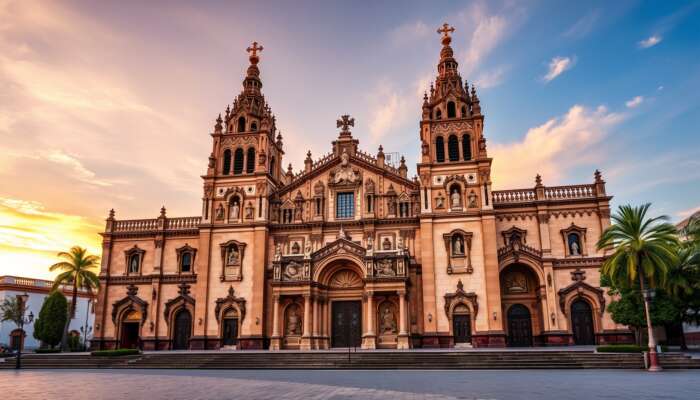
The churches of San Miguel de Allende showcase a stunning fusion of architectural styles, including Baroque, Neoclassical, and Gothic. Each of these styles exhibits unique characteristics that reflect the city’s rich cultural heritage and artistic history, captivating visitors with their grandeur and intricacy.
For instance, Baroque churches are celebrated for their elaborate details and dramatic facades, which mesmerise the observer and evoke a sense of magnificence. In contrast, Gothic structures typically feature pointed arches and intricate stained glass windows, adding to their ethereal charm. This architectural diversity illustrates how the city’s history and artistic innovation intertwine to create spaces that resonate deeply with visitors.
| Architectural Style | Key Features | Examples |
|---|---|---|
| Baroque | Elaborate details, grand facades | Parroquia de San Miguel Arcángel |
| Neoclassical | Symmetry, columns, simplicity | Iglesia de la Concepción |
| Gothic | Pointed arches, ribbed vaults | Iglesia de San Francisco |
How Do Materials Affect the Construction of Churches?
Materials play a crucial role in shaping the aesthetic appeal and structural integrity of churches in San Miguel de Allende. Commonly used materials include local stone, brick, and adobe, each contributing to the unique character of these historic edifices.
The selection of local materials not only enhances durability and stability but also reflects the regional identity and craftsmanship of the area. For example, adobe provides excellent thermal insulation, ensuring comfortable interior temperatures throughout the year, while stone offers a timeless aesthetic that gracefully ages, standing the test of time and weather.
| Material | Benefits | Characteristics |
|---|---|---|
| Local Stone | Durable, timeless | Natural beauty, strength |
| Brick | Versatile, cost-effective | Uniformity, easy to work with |
| Adobe | Thermal efficiency | Traditional, eco-friendly |
What Innovations Can Be Observed in Church Design?
Modern interpretations of church architecture frequently incorporate innovative elements that enhance both aesthetic appeal and functionality. For instance, architects often blend traditional designs with contemporary materials to create unique spaces that cater to the evolving needs of the community.
This innovative approach addresses the changing demands of modern worship and community engagement while showcasing artistic creativity and ingenuity. Innovations may include energy-efficient lighting systems and adaptable interior layouts that can accommodate a variety of activities, from worship services to community events.
- Integration of sustainable materials
- Use of technology in design
- Flexible spaces for community events
- Enhanced natural lighting
What Key Features Characterise the Churches of San Miguel de Allende?
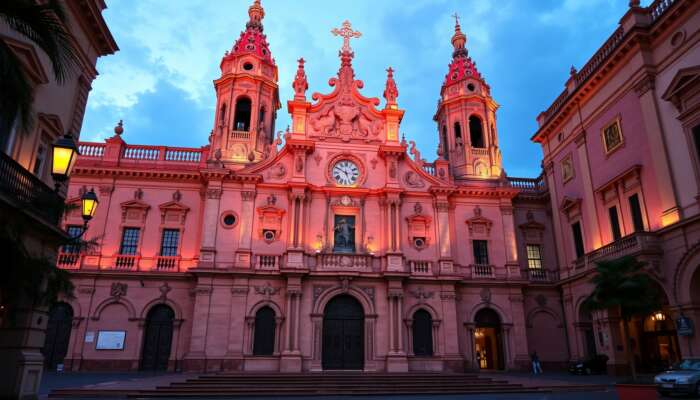
How Do Interior Elements Enhance Visitor Experience?
The interior design of the churches in San Miguel de Allende significantly shapes the atmosphere and overall visitor experience. High ceilings and expansive windows allow natural light to flood the space, illuminating intricate artwork and creating a tranquil environment.
The spatial arrangements are thoughtfully designed to encourage interaction and contemplation, transforming these churches into vibrant community hubs rather than mere places of worship. This intentional layout fosters a sense of belonging and connection among visitors, inviting them to engage with both the space and one another.
What Unique Characteristics Define the Exterior Facades of These Churches?
The facades of churches act as captivating symbols of heritage and artistry, with key design elements that include:
- Intricate stone carvings that narrate stories of faith
- Majestic bell towers that soar skyward
- Colourful tile work that adds vibrancy
- Decorative ironwork on doors that showcases exceptional craftsmanship
- Symmetrical layouts that draw the eye
What Symbolic Representations Are Embedded in Church Architecture?
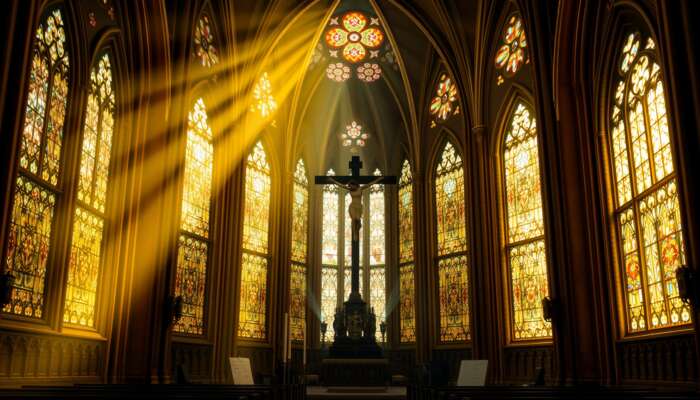
Symbolism is deeply woven into the fabric of church architecture, conveying profound meanings through a variety of motifs. From crucifixes to light as a representation of divinity, these elements resonate universally, connecting individuals to a greater narrative of faith and spirituality.
Understanding these symbols enhances appreciation for architecture as a narrative form that communicates shared human experiences across diverse cultures and traditions. Each visit thus becomes a meaningful exploration of the stories embedded within these sacred spaces.
How Are the Churches of San Miguel de Allende Constructed?
What Are the Essential Construction Techniques Employed?
The construction of churches in San Miguel de Allende adheres to meticulous steps to ensure both durability and aesthetic appeal. This process begins with careful site selection and foundation preparation, which are critical for supporting the structure’s weight and ensuring long-term stability.
Once the foundation is established, walls are erected using traditional techniques, such as adobe construction, which employs a method called “cob.” This technique maximises thermal efficiency and imbues the buildings with a unique character that is both functional and visually appealing.
What Challenges Do Builders Encounter During Construction?
Building churches presents various challenges, including the selection of appropriate materials that balance aesthetic appeal and functionality. Understanding how different materials respond to climate variations is essential for ensuring the structure’s longevity and safety.
Logistical hurdles, such as sourcing skilled labour and managing construction timelines, also arise. Innovative problem-solving strategies, along with collaboration among builders, are essential for overcoming these challenges and achieving successful construction outcomes.
Why Is Skilled Labour Crucial in the Construction of Churches?
The role of skilled artisans is paramount in ensuring quality and integrity in church construction. Their traditional knowledge and expertise guarantee that each element is crafted with care, significantly contributing to the overall beauty and durability of these structures.
This collaborative effort underscores the value of craftsmanship and artistry, fostering a sense of community pride and global recognition for the contributions that artisans make to architecture, particularly in culturally rich areas like San Miguel de Allende.
What Expert Insights Can Deepen Your Understanding of San Miguel de Allende's Churches?
How Can Architectural Analysis Provide Deeper Insights into Church Design?
Grasping the complexities of church designs necessitates a nuanced approach that incorporates historical and cultural contexts. Studying architectural blueprints and visiting various sites allows for an analysis of design elements firsthand, revealing the intricacies involved in their creation.
Engaging with local historians or architects offers invaluable insights into specific features and their significance, thus providing a deeper appreciation for the architectural choices made throughout history. Real-world examples illustrate how traditional forms seamlessly blend with contemporary materials, enriching the narrative of each church.
What Is the Historical Context Surrounding Church Architecture?
The historical context of church architecture profoundly influences modern designs and practices. Examining developmental trends unveils how cultural shifts and technological advancements shape architectural choices and styles.
The evolution from Gothic cathedrals to minimalist modern designs reflects changing values regarding spirituality, community interaction, and the role of churches in society, ultimately shaping how these sacred spaces are perceived and utilised today.
What Preservation Strategies Are Effective for Maintaining Historical Churches?
Preserving historical churches requires effective maintenance techniques and a commitment to conservation. Regular inspections are essential for identifying areas of wear, while restoration techniques aim to match original materials to maintain authenticity and integrity.
Community engagement in preservation efforts fosters stewardship and connection to heritage, ensuring that these architectural treasures continue to inspire future generations and remain integral parts of the cultural landscape.
What Makes the Churches of San Miguel de Allende Truly Unique?
What Distinctive Artistic Elements Enhance Their Appeal?
The churches of San Miguel de Allende are distinguished by vibrant colours and intricate details that elevate their architectural designs. These artistic elements narrate stories of faith, community, and the region's rich cultural heritage.
Exceptional woodwork and mosaic tile patterns reflect regional traditions, adding depth to each church’s visual language and enhancing its overall significance within the community. This celebration of creativity plays a crucial role in preserving cultural identity and fostering pride among local residents.
How Do Cultural Influences Shape the Design of These Churches?
Diverse cultural influences significantly shape architectural designs, creating unique expressions that reflect the area's history. The fusion of indigenous motifs with colonial Spanish elements results in visually striking styles that captivate visitors and provide insight into the region’s cultural tapestry.
This blending fosters appreciation for the complexity of architectural identity, revealing how different influences contribute to each structure’s uniqueness and the community's narrative, ultimately enriching the overall experience of exploration and discovery.
What Functional Innovations Improve Accessibility in Church Buildings?
Innovative functional elements greatly enhance the usability of church buildings, making them more accessible to a broader audience. Key adaptations include flexible layouts and features such as ramps that cater to individuals with mobility challenges.
Incorporating modern technology improves the overall experience, making services and events more engaging for diverse congregations. These enhancements ensure that churches serve as welcoming spaces for all members of the community, fostering inclusivity and participation.
- Flexible seating arrangements for various events
- Modern audio-visual technology to enhance presentations
- Ramps and accessible entries for inclusivity
- Community spaces for gatherings and social interactions
How Has Church Design Evolved Over Time in Response to Cultural Shifts?
The historical evolution of church architecture mirrors societal changes and technological advancements. As communities evolve, so too do their places of worship, reflecting contemporary values and needs in design philosophy.
This transition from ornate structures to minimalist designs signifies a shift towards simplicity and functionality in architectural thought, showcasing how design adapts to the evolving spiritual and social landscape of society.
What Are the Research-Backed Benefits of Visiting the Churches of San Miguel de Allende?
How Do Churches Influence Health and Well-Being?
Church environments are known to promote mental clarity and emotional well-being, creating spaces that foster peace and tranquillity. Engaging with serene surroundings is linked to reduced stress levels and increased feelings of harmony and contentment.
Research indicates that high ceilings and abundant natural light contribute positively to mood and cognitive function, while these tranquil atmospheres encourage mindfulness and reflection, significantly enhancing overall well-being.
What Role Do Churches Play in Strengthening Community and Social Values?
Shared spaces like churches play a vital role in nurturing community and social values. They serve as gathering points where individuals can connect, collaborate, and build meaningful relationships.
The role of churches in organising events further enhances their social significance, translating into stronger social networks and increased civic engagement, thereby enriching the social fabric of the community.
How Do Churches Serve as Valuable Educational Resources?
Churches offer valuable educational opportunities for personal growth and inspiration. Engaging with the architecture, art, and history ignites curiosity and encourages exploration of broader themes related to culture and spirituality.
Visitors can participate in tours, workshops, or lectures that deepen their understanding of cultural significance, fostering a sense of connection to the community and its rich heritage.
Why Is Visiting the Churches of San Miguel de Allende a Must?
What Personal Enrichment Opportunities Await Every Visitor?
Visiting the churches offers numerous personal enrichment opportunities that can transform one's perspective and enhance spiritual growth. The serene environment encourages introspection, allowing individuals to connect with their spirituality and reflect on their life journeys.
Engaging with the rich history and artistic beauty of these churches can lead to transformative moments, prompting deeper exploration of personal values and beliefs, ultimately contributing to significant personal growth and development.
What Aesthetic and Sensory Experiences Await Visitors?
The aesthetic experiences offered by these churches engage visitors on multiple sensory levels, creating memorable encounters. Vibrant colours, intricate carvings, and resonant acoustics come together to create immersive experiences that resonate deeply within the soul.
These sensory elements foster emotional connections, transforming visits to churches into profound experiences that linger in memory long after leaving their sacred spaces.
What Long-Term Inspirational Value Do Churches Hold for Visitors?
The churches of San Miguel de Allende possess enduring inspirational value, as encounters with these sacred spaces can ignite a passion for design, community engagement, and personal exploration.
The reflections gained from visiting these architectural marvels inspire individuals to nurture beauty, connection, and purpose in their own lives, fostering a lifelong appreciation for art, culture, and community.
What Is the Historical and Cultural Significance of These Churches?
Exploring the historical narratives embodied in San Miguel de Allende's churches offers profound insights into Mexico's past and present. These sites reflect the evolution of architectural styles and social values, serving as living museums of cultural heritage.
Engaging with this rich history enriches appreciation for the complexity of cultural identities and shared human experiences, making each visit a meaningful exploration of the past and its relevance to contemporary society.
How Do Churches Facilitate Community and Social Interactions?
Visiting these churches provides unique opportunities for community interactions, as they serve as vibrant centres of community life that foster a sense of belonging and togetherness.
Engaging with the local community enhances the experience, allowing for meaningful connections through shared worship and cultural celebrations. This strengthens community bonds and promotes social cohesion, enriching the lives of all involved.
The Article: Churches of San Miguel de Allende: Unveiling Their Beauty appeared first on https://fallinginlovewithsanmiguel.com/
The Article Churches of San Miguel de Allende: Discover Their Charm Was Found On https://limitsofstrategy.com