How Can You Obtain Vitamin D Blood Tests at Local Clinics in Corby?
Accessible Blood Testing Facilities Near You
Private Vitamin D Blood Tests in Corby: Residents of Corby can conveniently access vitamin D blood testing at various NHS-affiliated clinics and private laboratories. These facilities offer testing services throughout the year, allowing individuals to arrange appointments that suit their schedules. Most clinics provide options for online or telephone bookings, making it easy for busy individuals to secure a visit.
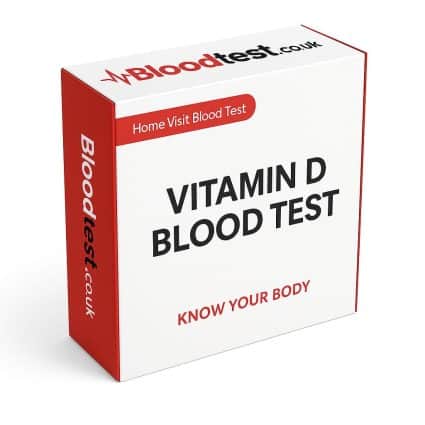

Having continuous access to testing services is particularly advantageous for residents who need to monitor their vitamin D levels throughout the year. Local clinics ensure that individuals can actively manage their health, especially as changing sunlight exposure affects vitamin D synthesis. Clinics in Corby prioritise timely services tailored to the unique health requirements of the community.
Numerous clinics have upgraded their appointment management systems, making scheduling easier, particularly during peak times. This flexibility enhances efficiency and accessibility, encouraging more residents to take proactive steps in monitoring their vitamin D levels.
Where to Find Testing Centres in Corby
Corby boasts several dedicated facilities for blood sample collection, specifically focused on evaluating vitamin D levels. These centres comply with strict UK health regulations, ensuring all procedures are performed safely and reliably. Their strategically located sites throughout the town enhance accessibility for local residents.
Each testing centre employs qualified professionals trained to handle blood samples with the utmost care. They adhere to rigorous hygiene protocols, ensuring a safe and effective testing experience for all patients. This commitment to quality is essential for building trust within the community.
Laboratories that analyse these tests are typically accredited, which enhances the reliability of the results. Patients can generally expect to receive their results within a standard timeframe, facilitating timely follow-ups and necessary actions based on their vitamin D status.
Effective Tips for Booking Your Appointments
To ensure you secure a spot for a vitamin D blood test in Corby, it’s wise to check availability on official health portals or the websites of local clinics. Pre-booking appointments can significantly reduce wait times, particularly during busy periods. This proactive approach allows residents to undergo their tests without unnecessary delays.
While some clinics may accept walk-ins, pre-booking is usually advisable for timely assessments. Being aware of peak testing times can also be beneficial; for instance, early morning slots tend to be less crowded. This insight can assist patients in planning their visits more efficiently.
Staying updated on any changes to clinic hours or availability through social media or local health announcements can further enhance the booking experience. Taking the initiative to secure appointments empowers residents to maintain their health seamlessly.
Essential Preparation Guidelines for Vitamin D Blood Tests in Corby
Key Dietary Considerations Before Testing
Before undergoing a vitamin D blood test, it’s important to consider dietary factors that could affect the accuracy of results. UK medical guidelines typically advise against taking vitamin D supplements for several days prior to testing. This precaution helps ensure that the readings accurately reflect the body’s natural levels without interference from external sources.
Certain foods can temporarily influence vitamin D levels. For example, fatty fish, fortified dairy products, and egg yolks are rich in vitamin D. Consuming these foods right before testing might skew results, so it’s prudent to moderate intake in the days leading up to the appointment.
Remaining well-hydrated is also crucial; drinking plenty of water before the test can ease the blood draw process. Proper hydration makes veins easier to locate, ensuring a smoother sample collection experience. This preparation is vital for obtaining reliable results from local Corby tests.
Choosing the Best Time for Your Test Appointment
When scheduling a vitamin D blood test, the timing of the appointment can significantly influence the quality of the collected sample. Many clinics in Corby suggest booking morning appointments. This recommendation aligns with natural body rhythms, potentially enhancing the accuracy of test results.
Morning appointments may also help reduce the impact of factors that could interfere with results, such as food intake throughout the day. By opting for morning testing, patients can better manage variables that might affect their vitamin D levels, leading to more dependable data.
Consistent scheduling of tests can aid in tracking changes over time. For individuals who require regular monitoring, establishing a routine provides clearer insights into how lifestyle modifications or interventions influence vitamin D levels.
Understanding the Vitamin D Blood Test Procedure in Corby
Detailed Sample Collection Process
The process for collecting a sample for a vitamin D blood test in Corby is straightforward and efficient. A trained phlebotomist will take a small blood sample from the arm, typically completing the procedure in just a few minutes. This quick process is designed to minimise discomfort while adhering to stringent hygiene standards set by UK healthcare authorities.
Prior to the blood draw, patients are usually asked to confirm their identity and provide any relevant details about their health history. This step ensures that the procedure is customised to individual needs and that any potential complications are addressed beforehand.
Once the sample is collected, it is carefully labelled and prepared for transport to a laboratory for analysis. Clinics in Corby follow strict protocols to ensure that samples are handled properly, maintaining the integrity of the test results throughout the process.
Laboratory Analysis Steps Explained
Upon arrival at the laboratory, the blood sample undergoes a thorough examination to accurately measure vitamin D concentrations. Accredited labs in the UK utilise advanced technology and methodologies to ensure reliable and informative results. This analysis is crucial for understanding an individual’s vitamin D status.
Typically, the laboratory conducts several tests on the sample to assess various forms of vitamin D, including D2 and D3. This comprehensive analysis provides a clearer perspective on the body’s vitamin D levels, assisting healthcare providers in making informed recommendations based on the findings.
After the analysis is complete, results are securely compiled and sent to patients or their general practitioners in Corby. This secure transmission process ensures that sensitive health information remains protected while allowing for timely follow-ups and necessary treatment adjustments.
Expected Timelines for Receiving Results
For most residents in Corby, the turnaround time for receiving results from a vitamin D blood test usually ranges from three to five working days, depending on the specific provider. This efficient timeline supports prompt health decisions without unnecessary delays, enabling individuals to respond to their results swiftly.
The speed of results may vary due to factors such as the laboratory’s workload and the complexity of the analysis. Clinics strive to maintain a consistent timeframe to meet patient needs.
For those feeling anxious about their results, many clinics offer updates via email or text message. This proactive communication keeps patients informed and engaged in their health management journey.
Expert Insights on Vitamin D Blood Tests in Corby
Recommendations from Medical Professionals
<pHealthcare professionals in Corby frequently emphasise the importance of regular vitamin D testing, especially considering the area’s climate and lifestyle factors. Many practitioners have noted prevalent deficiencies among residents, particularly during the winter months when sunlight exposure decreases.
Experts advocate for personalised strategies to maintain healthy vitamin D levels, which may involve dietary modifications and lifestyle adjustments. For instance, incorporating vitamin D-rich foods, such as oily fish and fortified cereals, into the diet can naturally enhance levels.
Healthcare providers often promote safe sun exposure practices, particularly in the summer. Even brief periods of sunlight can significantly boost vitamin D synthesis in the skin, making it a crucial aspect of overall health in Corby.
Advanced Insights into Interpreting Test Results
Understanding vitamin D test results can be complex, particularly for individuals with diverse health backgrounds. Nutrition experts in Corby offer practical guidance on interpreting these results, especially in relation to local healthcare data.
Patients are often encouraged to consider their overall health context rather than focusing solely on numerical values. For instance, individuals with specific health conditions may require different vitamin D levels to effectively support their wellbeing.
New testing methods are now available that provide more detailed insights into an individual’s vitamin D metabolism. These tests can assist healthcare providers in developing personalised care plans that address unique health needs and lifestyle factors relevant to the local population.
Professional Analysis Techniques
Emerging trends in vitamin D monitoring are becoming increasingly significant for residents in Corby. Healthcare professionals are continually analysing data to identify patterns and inform tailored care strategies. This approach ensures that residents receive recommendations customised to their specific circumstances.
For instance, recent studies suggest that certain demographic groups in Corby may be at a heightened risk of deficiency. This insight allows healthcare providers to focus their efforts on those most in need of intervention, thereby improving overall health outcomes within the community.
Ongoing professional development and training for healthcare providers ensure they remain up-to-date with the latest research and best practices in vitamin D monitoring. This commitment to excellence enhances the quality of care accessible to residents in Corby.
Insights from Patient Case Studies
Analysing anonymised cases from Corby clinics can yield valuable insights into the outcomes of vitamin D testing. These case studies often highlight common deficiencies and the effectiveness of various treatment strategies tailored to local environmental conditions and lifestyle patterns.
For example, a case study might illustrate a patient who experienced significant improvements in energy levels and overall health after receiving targeted supplementation based on their test results. Such real-world examples can motivate others to take proactive measures in managing their vitamin D levels.
Expert commentary on these cases can further underscore the importance of personalised care plans. By considering individual circumstances and local factors, healthcare providers can develop effective strategies that resonate with the community’s health needs.
Future Innovations in Vitamin D Monitoring
Innovative tools for vitamin D assessment are emerging in Northamptonshire, enhancing the accuracy of diagnosing vitamin D deficiency. These advancements not only improve testing methods but also strengthen ongoing health management initiatives for Corby residents.
For instance, some clinics are investigating at-home testing kits that enable individuals to conveniently monitor their vitamin D levels. This approach empowers residents to take charge of their health and make informed decisions based on real-time data.
Advancements in laboratory technology are facilitating more precise measurements of vitamin D metabolites, providing deeper insights into individual health statuses. These innovations are essential for supporting proactive health management and minimising the risk of deficiency-related complications among residents.
How to Interpret Your Vitamin D Blood Test Results in Corby
Understanding Reference Ranges for Your Results
Understanding reference ranges for vitamin D levels is vital for accurately interpreting test outcomes. UK guidelines clearly define optimal levels, typically ranging from 20 to 50 ng/mL for overall health. Corby test reports include these benchmarks, allowing individuals to effectively assess their status.
When reviewing results, patients should carefully consider their levels relative to these ranges. Levels below the recommended threshold may indicate a deficiency, while excessively high levels might suggest over-supplementation.
Consulting a healthcare provider can clarify the implications of the results for individual health. This step is crucial for developing a strategy to address any deficiencies or excesses, ensuring that residents in Corby can maintain optimal health.
Steps to Take After Receiving Your Results
After obtaining vitamin D test results, it’s important for patients to take appropriate action, particularly if their levels fall outside the normal range. Promptly consulting a GP can help determine the best course of action, whether it involves supplementation, dietary adjustments, or further investigations.
Local support services in Corby are available to guide residents in addressing their vitamin D status. These services can provide tailored recommendations based on individual health needs and lifestyle factors, promoting successful health outcomes.
Patients should also consider scheduling follow-up tests to monitor progress after implementing changes. Regular monitoring is essential for maintaining optimal vitamin D levels and preventing potential health complications.
Clarifying Common Misconceptions
Many individuals mistakenly believe that high vitamin D readings are always a sign of good health; however, experts underscore the importance of a balanced perspective. Overcorrection can lead to toxicity, making it essential to understand the context of the results for residents in Corby.
Patients are encouraged to consult healthcare providers to gain a comprehensive understanding of their results. This dialogue can dispel misconceptions and ensure that individuals make informed decisions regarding their health.
Educating the community about vitamin D levels and their implications is crucial for raising awareness. By addressing common misunderstandings, healthcare providers can empower residents to take proactive steps toward optimal health.
Recognising Lifestyle Influences on Your Vitamin D Levels
Lifestyle choices have a significant impact on vitamin D levels among residents in Corby. Dietary preferences, regular sun exposure, and consistent exercise routines all contribute to overall vitamin D status. Understanding these influences can enhance the interpretation of blood test results.
For instance, residents who spend more time outdoors during sunny months may have higher vitamin D levels compared to those with limited sun exposure. Dietary habits that include vitamin D-rich foods can positively affect vitamin D levels, making it essential to factor in these elements when reviewing test results.
Encouraging discussions about lifestyle modifications can help residents make informed health decisions. By recognising the connection between lifestyle and vitamin D levels, individuals can take proactive measures to maintain optimal health throughout the year.
Research-Supported Advantages of Vitamin D Blood Tests in Corby
The Health Benefits of Regular Testing
Routine vitamin D testing offers numerous benefits, particularly for adults in the UK. For residents in Corby, proactive measures can lead to early identification of imbalances and deficiencies that might otherwise remain unnoticed.
Monitoring vitamin D levels supports broader wellness initiatives and aligns with public health campaigns aimed at enhancing community health outcomes. By staying informed about their vitamin D status, residents can take necessary steps to improve their wellbeing.
Regular testing fosters a culture of health awareness. As more individuals monitor their vitamin D levels, the community can benefit from collective efforts to address deficiencies and enhance public health initiatives.
Insights from Research Studies on Vitamin D
Research highlights several key benefits of maintaining adequate vitamin D levels, particularly for long-term bone and immune health. Studies indicate that sufficient vitamin D can lower the risk of fractures and support overall bone wellness.
Evidence suggests that vitamin D plays a crucial role in immune function, potentially decreasing the incidence of respiratory infections. This connection is especially significant for residents in Corby, as seasonal illnesses can greatly impact community health.
The key benefits derived from vitamin D awareness campaigns targeting British communities include:
- Improved bone density and overall health
- Enhanced immune response
- Reduced risk of chronic health conditions
- Better mental health outcomes
Preventative Health Benefits of Regular Testing
Consistent monitoring of vitamin D levels can profoundly impact preventative health for residents in Corby. Research indicates that regular testing helps maintain vitality across different age groups, reducing the risk of deficiencies that can lead to serious health issues.
By engaging in regular testing, individuals can take proactive steps to manage their health. This approach is particularly crucial in areas where sunlight exposure may be limited, as it allows residents to identify and address potential deficiencies before they escalate.
Public health initiatives promoting regular vitamin D testing contribute to a healthier overall community. As more residents monitor their levels, the collective impact can lead to improved health outcomes across the population.
Findings from Longitudinal Studies on Vitamin D Levels
Longitudinal studies conducted in the UK over the past five years show that regular vitamin D blood tests correlate with lower deficiency rates in areas such as Corby. These findings support the idea that proactive health monitoring can yield better health outcomes.
Research indicates that individuals who undergo regular testing are more likely to maintain optimal vitamin D levels, which in turn supports immune function and overall health. This correlation is particularly significant considering the potential for seasonal affective disorder, which can affect residents during the darker months.
By promoting awareness of and access to vitamin D testing, health authorities can help reduce the prevalence of vitamin D deficiencies and enhance the overall health of the Corby population. These insights highlight the importance of ongoing monitoring and community engagement in health initiatives.
The Vital Importance of Vitamin D Blood Tests for Health in Corby
Recognising Deficiency Risks in the UK
In the UK, many individuals face the risk of low vitamin D levels due to limited sunlight exposure, particularly during the winter months. This reality is especially relevant for residents in Corby, where regular checks for vitamin D levels can help prevent complications associated with deficiency.
Early identification of vitamin D deficiency is crucial for minimising potential health risks. By participating in regular testing, residents can take proactive measures to address deficiencies before they lead to more serious health issues.
Public health campaigns aimed at increasing awareness about vitamin D deficiency are essential for encouraging individuals to seek testing. By understanding the risks associated with low vitamin D levels, residents can make informed decisions about their health.
Effectively Supporting Immune Function
Maintaining adequate vitamin D levels is critical for bolstering immune function, as highlighted in UK medical literature. Testing ensures that individuals in Corby remain informed about their vitamin D status year-round, enabling them to take necessary actions to maintain optimal levels.
Research indicates that sufficient vitamin D levels enhance the body’s ability to combat infections and support overall immune health. This connection is particularly important for residents, as seasonal illnesses can significantly impact community wellbeing.
Regular testing empowers individuals to make informed decisions regarding supplementation and lifestyle changes that can enhance their immune function. By prioritising vitamin D monitoring, residents can improve their resilience against common illnesses.
The Impact of Vitamin D Levels on Daily Life
Balanced vitamin D levels can greatly influence the daily lives of residents in Corby. Many individuals report improvements in energy and mood following tailored interventions based on their test results. This positive change can enhance overall quality of life.
Adequate vitamin D levels are associated with better mental health outcomes, reducing the risk of conditions such as depression and anxiety. This aspect is particularly relevant for residents during the darker months when sunlight exposure is limited.
Understanding the relationship between vitamin D levels and daily life can motivate residents to take proactive measures to optimise their health. Engaging in regular testing and adhering to healthcare recommendations can lead to lasting improvements in wellbeing.
Key Follow-Up Care After Vitamin D Blood Tests in Corby
Establishing Plans for Continued Monitoring
Following a vitamin D blood test, it is vital to establish ongoing monitoring plans to track progress. Healthcare providers in Corby may recommend scheduling repeat tests based on individual needs to help patients maintain optimal levels over time.
These follow-up appointments are crucial for assessing the effectiveness of any interventions undertaken after the initial test. Regular monitoring allows for timely adjustments to supplementation or lifestyle, supporting sustained health improvements.
Patients should feel empowered to communicate with their healthcare providers about any concerns or symptoms they may experience. This open dialogue is essential for developing a comprehensive care plan that addresses individual health needs.
Implementing Positive Lifestyle Changes
After testing, adopting UK-approved dietary changes or safe sun-exposure practices can complement the results and promote lasting benefits for residents. For instance, incorporating more vitamin D-rich foods into the diet—such as fatty fish, fortified cereals, and dairy products—can help maintain healthy levels.
Practising safe sun exposure habits, such as spending time outdoors during peak sunlight hours, can enhance vitamin D synthesis in the skin. Educating residents about these practices can empower them to take control of their health and wellbeing.
Healthcare providers may also recommend consistent physical activity, as exercise positively influences overall health and wellbeing. By integrating these lifestyle changes, residents can establish a comprehensive approach to effectively managing their vitamin D levels.
Connecting with Professional Support Services
Engaging with Corby-based nutritionists or healthcare professionals can provide residents with customised plans for managing their vitamin D levels. These experts offer tailored advice that considers individual health needs, dietary preferences, and lifestyle factors.
Professional support networks can also facilitate ongoing education about vitamin D and its significance for overall health. By staying informed, residents can make proactive decisions that positively impact their wellbeing.
Participating in local health initiatives and community programmes can enhance awareness and encourage collaborative efforts to combat vitamin D deficiency. This collective approach fosters a healthier community while supporting individual health objectives.
Strategies for Managing Symptoms Following Testing
After receiving vitamin D test results, individuals should be vigilant for recurring symptoms such as fatigue or mood fluctuations. Consulting with local practitioners in Corby for tailored interventions can provide valuable support in effectively managing these symptoms.
Healthcare providers may recommend specific strategies based on individual circumstances, such as dietary changes, supplementation, or lifestyle adjustments. This proactive approach helps residents address symptoms and prevent complications related to vitamin D deficiency.
Ongoing communication with healthcare providers is essential to ensure that individuals feel supported in their health journey. By staying engaged and informed, residents can take meaningful steps toward enhancing their overall wellbeing.
Frequently Asked Questions
What does a vitamin D blood test involve?
A vitamin D blood test assesses the level of vitamin D in your bloodstream, helping to determine if you have a deficiency or sufficient levels for optimal health.
Why is vitamin D critical for health?
Vitamin D is vital for bone health, immune function, and overall wellbeing. It aids the body in absorbing calcium and supports various physiological processes.
How often should I undergo vitamin D testing?
It is generally advised to test vitamin D levels annually, particularly for those at risk of deficiency, or as recommended by a healthcare provider.
What are the signs of vitamin D deficiency?
Common symptoms of vitamin D deficiency include fatigue, bone pain, muscle weakness, and changes in mood. Some individuals may not exhibit noticeable symptoms.
Can I obtain vitamin D from food sources?
Yes, vitamin D can be sourced from certain foods such as fatty fish, egg yolks, and fortified products like milk and cereals.
How can I increase my vitamin D levels?
You can enhance your vitamin D levels through safe sun exposure, dietary adjustments, and supplements if advised by a healthcare provider.
Is there a risk of excessive vitamin D intake?
Yes, excessive vitamin D can result in toxicity, leading to symptoms such as nausea, vomiting, and kidney issues. It’s important to adhere to recommended dosages.
What steps should I take if my test results are low?
If your test results indicate low vitamin D levels, consult your healthcare provider for guidance on supplementation, dietary changes, and follow-up testing.
Are there specific groups at higher risk for deficiency?
Yes, individuals with limited sun exposure, certain medical conditions, older adults, and those with darker skin tones are at a greater risk for vitamin D deficiency.
Where can I get a vitamin D blood test in Corby?
You can obtain a vitamin D blood test at NHS-affiliated clinics or private laboratories in Corby. Check local listings for specific locations and availability.
Visit our Facebook page for more information!
This Article Was First Found On https://bloodtest.co.uk
The Article Vitamin D Blood Test: Local Testing Options in Corby found first on https://electroquench.com