Essential Insights into Dairy Intolerance for Sheffield Residents
What Is Dairy Intolerance and How Does It Impact Your Life?
Private Dairy Intolerance Test in Sheffield: Dairy intolerance describes the body's struggle to digest lactose, the sugar found in milk and dairy products. This digestive issue can lead to a myriad of uncomfortable symptoms, including <a href="https://limitsofstrategy.com/food-intolerances-do-they-cause-fatigue-bloating-or-skin-problems/">bloating</a>, gas, and abdominal pain. Such symptoms are particularly common among residents of Sheffield. For instance, after enjoying a beloved dish like a traditional Sunday roast paired with cheese, many find themselves grappling with significant digestive distress.
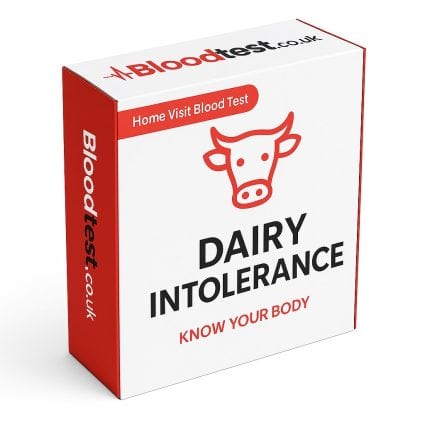

Living with dairy intolerance not only disrupts digestive health but can also adversely affect overall well-being. Consequently, many individuals are driven to seek effective solutions and dietary modifications to mitigate these troubling symptoms.
How to Identify Symptoms of Dairy Intolerance in the UK
In Sheffield, residents frequently report diverse symptoms associated with dairy intolerance, which include bloating, stomach cramps, and a pervasive sense of digestive unease. If you often encounter these symptoms after consuming dairy products, pursuing testing is advisable for a definitive diagnosis. Early identification can significantly enhance your quality of life, facilitating improved dietary management and symptom alleviation.
How Dairy Intolerance Affects Your Daily Life
Dairy intolerance can profoundly alter the daily lives of individuals in the UK, particularly those in Sheffield. Those affected must frequently make substantial dietary changes to avoid discomfort. Key lifestyle adjustments may include:
- Eliminating dairy products from meals
- Meticulously checking food labels for hidden dairy components
- Exploring a variety of lactose-free alternatives
- Incorporating more plant-based foods into their diet
Such modifications necessitate careful planning and consideration, often impacting social events and family gatherings as individuals strive to honour their dietary preferences while still enjoying communal experiences.
Recognising Early Symptoms and Indicators of Dairy Intolerance
How Can You Spot Initial Symptoms of Dairy Intolerance?
Identifying the early warning signs of dairy intolerance is essential for effective management and for improving quality of life. One of the most prevalent indicators is abdominal pain, particularly following the consumption of dairy products. Many people in Sheffield report encountering this discomfort frequently after meals that contain milk, cheese, or other dairy items. Keeping a detailed food diary is an invaluable tool for tracking these symptoms and recognising patterns, allowing for timely intervention.
How Do Symptoms Progress Over Time?
The symptoms linked to dairy intolerance can intensify over time within the UK population, potentially leading to more significant discomfort and digestive complications. As individuals continue consuming dairy despite their intolerance, symptoms may escalate, manifesting as severe bloating or even diarrhoea. Implementing preventative measures, such as gradually eliminating dairy from the diet and seeking professional testing, can confirm the intolerance and promote better dietary management.
When Should You Seek Medical Advice?
It is imperative to consult a healthcare professional in Sheffield if you experience persistent symptoms related to dairy intolerance. Medical experts can provide tailored advice and recommend appropriate testing procedures based on your individual circumstances. A thorough evaluation can result in effective management strategies, empowering you to reclaim control over your dietary choices and enhance your overall health and well-being.
Demystifying the Dairy Intolerance Testing Process
What Testing Options Are Available for Diagnosing Dairy Intolerance?
In the UK, there is a variety of testing options available for diagnosing dairy intolerance. Among these are the lactose tolerance test, which evaluates how well your body digests lactose, and the hydrogen breath test, which assesses lactose malabsorption. Each method of testing has its own accuracy and reliability, providing a comprehensive insight into your body's reaction to dairy consumption.
What Are the Steps Involved in the Testing Procedure?
The typical testing process commences with a consultation with a healthcare provider, followed by the actual testing. Proper preparation is vital for obtaining precise results. Preparatory measures may include:
- Avoiding dairy consumption for 48 hours preceding the test
- Fasting for a designated period prior to testing
- Informing your doctor about any current medications
- Maintaining adequate hydration
Adhering to these steps is critical in ensuring that the test results accurately reflect your tolerance levels, offering essential insights into your dietary requirements.
Why Opt for Local Testing Services in the UK?
Choosing local testing services in Sheffield provides numerous benefits, including convenience and access to skilled healthcare professionals. Testing facilities throughout the UK are well-equipped with advanced diagnostic tools, significantly enhancing the reliability of results. This localised approach ensures that individuals receive advice tailored to their specific health needs and lifestyle factors.
Expert Insights on Dairy Intolerance Testing in Sheffield
Utilising Advanced Techniques for Dairy Intolerance Testing
Healthcare professionals in Sheffield employ cutting-edge methods for conducting dairy intolerance tests, including genetic testing to assess predispositions to lactose intolerance. These advanced techniques enable healthcare providers to offer more personalised dietary recommendations. Local clinics have observed that patients undergoing genetic testing often receive tailored management plans that cater to their unique dietary needs and preferences.
How Are Test Results Interpreted?
Following the completion of tests, healthcare practitioners in Sheffield meticulously analyse the results. Understanding these outcomes is crucial for formulating effective symptom management strategies. For instance, if a patient exhibits elevated lactose levels post-ingestion, they may receive specific guidance on which dairy products to avoid or limit, thereby assisting in their dietary management.
What Risks and Considerations Should You Be Aware Of?
As with any medical testing, there are potential risks associated with dairy intolerance tests. Misinterpretation of results can lead to unnecessary dietary restrictions, which may result in nutritional deficiencies. Experts recommend thorough consultations and follow-up appointments to mitigate these risks in Sheffield. Clear communication with healthcare providers is vital to ensure effective management and a balanced dietary approach.
Expert Recommendations for Effectively Managing Dairy Intolerance
Healthcare professionals in Sheffield offer comprehensive recommendations for managing dairy intolerance based on individual test results. These often include personalised dietary plans that highlight alternative sources of calcium and essential nutrients. Continuous symptom monitoring, combined with the integration of healthcare services, ensures long-term well-being and assists individuals in maintaining a balanced lifestyle free from discomfort.
Innovations in Dairy Intolerance Testing Methodologies
Recent advancements in dairy intolerance testing techniques have emerged in Sheffield, focusing on enhanced diagnostic tools and improved accuracy. Local specialists discuss how these innovations can lead to superior patient care and outcomes, enabling individuals to lead healthier lives without the constraints imposed by undiagnosed dietary issues. These developments indicate a positive shift towards more effective diagnosis and management of dairy intolerance.
What Are the Advantages of Undergoing Dairy Intolerance Testing?
Health Enhancements Following Accurate Dairy Intolerance Diagnosis
Receiving an accurate diagnosis of dairy intolerance can yield significant health improvements for individuals across the UK. Many patients report a notable reduction in symptoms such as bloating and gas, leading to an overall enhancement in their quality of life. Long-term benefits also include decreased healthcare costs associated with managing chronic digestive issues, promoting a more sustainable health approach.
How Does Testing Influence Dietary Choices?
Testing for dairy intolerance profoundly influences meal planning and dietary decisions throughout the UK. Once a diagnosis is confirmed, individuals can make informed choices about their diets, selecting lactose-free options and ensuring a balanced nutritional intake. This proactive strategy not only leads to improved health outcomes but also enhances the overall enjoyment of meals, contributing to a more satisfying dining experience.
Long-Term Strategies for Managing Dairy Intolerance
Maintaining health after testing requires the implementation of various long-term strategies. Residents of Sheffield are encouraged to consider:
- Regular follow-ups with a healthcare provider for ongoing support
- Keeping a comprehensive food diary to monitor dietary habits
- Exploring new recipes and alternative ingredients
- Joining support groups to share experiences and advice
These methods empower individuals to manage their condition effectively while cultivating a fulfilling lifestyle that accommodates their dietary needs.
Effective Strategies for Dairy Intolerance Testing in Sheffield
How to Prepare for Your Dairy Intolerance Test
Preparation is crucial for obtaining reliable test results. Experts recommend that individuals in Sheffield document their dietary habits leading up to the test to ensure a clear understanding of their consumption patterns. For example, refraining from dairy products for several days before the test can significantly enhance accuracy. Real-world experiences indicate that patients who strictly adhere to preparation guidelines often achieve clearer and more definitive test outcomes.
What Follow-Up Considerations Should You Keep in Mind After Testing?
After receiving your test results, it is essential to consult with specialists in Sheffield to develop a management plan tailored to your unique needs. This plan may include necessary dietary adjustments and ongoing symptom monitoring to ensure effective management. Patients should actively engage in discussions about their experiences and any changes in their health to facilitate optimal care.
How to Avoid Common Mistakes During the Testing Process
Many individuals make frequent errors during the testing process, such as neglecting to follow preparation guidelines or failing to communicate symptoms accurately to healthcare providers. Experts in Sheffield stress the importance of clear documentation and open communication with medical professionals to avoid these pitfalls. Adhering to best practices significantly increases the likelihood of achieving an accurate diagnosis and effective management of dairy intolerance.
Where to Access Dairy Intolerance Testing in Sheffield?
Exploring Clinics and Testing Services Available
Sheffield boasts a wide range of clinics and services offering dairy intolerance testing, ensuring accessibility for all residents. These facilities range from specialised allergy clinics to general practitioners equipped to perform comprehensive tests. Many establishments provide online appointment booking systems to simplify the testing process, making it easier for individuals to secure the assistance they require.
What to Anticipate During Your Dairy Intolerance Testing Session?
During your testing session in Sheffield, expect a thorough consultation followed by the actual testing procedure. Patients should prepare for potential discomfort, particularly if the testing method involves consuming lactose. Being well-informed about the process can help alleviate anxiety and enhance the overall experience, ensuring you feel supported and understood throughout your testing journey.
What Follow-Up Options Are Available After Testing?
Post-testing, individuals will have several follow-up options. Healthcare providers in Sheffield typically schedule follow-up appointments to discuss results and recommend tailored management strategies. Maintaining open communication is essential for ensuring a personalised approach to healthcare, enabling you to navigate your dietary needs with confidence.
Understanding Costs Associated with Dairy Intolerance Testing
In Sheffield, testing services may be accessible through the NHS for specific conditions, offering a cost-effective option for many individuals. However, private testing services may incur fees, so it is advisable to verify eligibility through the NHS website or local clinics. Ensure to provide any necessary payment information and inquire about potential subsidies available to residents to facilitate access to testing services.
Additional Resources and Support for Sheffield Residents
Beyond traditional clinics, Sheffield features mobile testing units and community centres that enhance access to testing services for all individuals. Residents can utilise the NHS app or local council websites to locate nearby testing facilities and schedule appointments. Moreover, support groups and informational sessions are available, offering guidance on testing procedures and strategies for effectively managing dairy intolerance.
Preparing for Your Dairy Intolerance Test: Essential Steps
Key Dietary Preparations Before Undergoing Testing
Before participating in dairy intolerance testing, specific dietary preparations are crucial to ensuring accurate results. Experts often recommend adhering to an elimination diet for at least 48 hours prior to testing, allowing your body to expel dairy from its system. This vital step enhances the precision of test results, ensuring that your level of intolerance is correctly identified and provides a clearer understanding of your dietary needs moving forward.
Ensuring Mental and Physical Readiness
Maintaining a calm and healthy mindset before your test is equally essential. Engaging in relaxing activities, adhering to a balanced diet, and ensuring adequate sleep can significantly influence your overall well-being. Preparing both mentally and physically fosters a positive atmosphere for the testing experience, reducing anxiety and enhancing your ability to cope with any potential challenges.
Choosing the Best Time for Your Appointment
Scheduling your testing appointment at a suitable time can also impact the results. Some individuals may find that certain seasons exacerbate their symptoms. Considering seasonal changes and personal health patterns when booking your test can enhance both accuracy and reliability, ensuring that your testing experience is as informative and beneficial as possible.
Post-Test Care: Vital Strategies and Recommendations
Implementing Necessary Dietary Adjustments Following Testing
Upon receiving your test results, significant dietary changes may be required to improve your health outcomes. Transitioning to lactose-free products and exploring new culinary options becomes critical for effectively managing your condition. Additionally, consulting with a qualified nutritionist can provide invaluable support in maintaining a balanced diet while avoiding dairy, allowing you to enjoy a diverse and fulfilling diet.
Monitoring Ongoing Symptoms for Effective Management
Keeping track of ongoing symptoms after testing is crucial for managing dairy intolerance effectively. Individuals should maintain a health diary to document any reactions to dairy and identify potential food triggers. Regular reviews of your health with a professional in Sheffield can help fine-tune your dietary strategy, ensuring that you stay informed and proactive about your condition.
Seeking Additional Support and Resources
Numerous resources are available for individuals seeking further support regarding dairy intolerance in Sheffield. Community groups, online forums, and local health services can provide valuable information and emotional support as you navigate your dietary changes. Connecting with others who share similar experiences can greatly enhance your journey toward effectively managing dairy intolerance, fostering a sense of community and shared understanding.
Long-Term Strategies for Sustaining Health Post-Testing
Maintaining health improvements after testing requires commitment and ongoing monitoring. Regular follow-ups with healthcare providers, alongside a focus on balanced living, can help prevent a recurrence of symptoms. Staying informed about dietary options and emerging research can empower individuals to successfully navigate their condition, ensuring a healthy and fulfilling lifestyle while managing dairy intolerance.
Emotional and Psychological Support for Dairy Intolerance Management
Managing dairy intolerance can pose emotional challenges. Accessing counselling services and developing effective coping strategies can aid in building resilience during dietary transitions. Local support groups provide a platform for individuals to share their experiences, promoting emotional well-being and creating a supportive environment for those facing similar challenges.
Frequently Asked Questions Regarding Dairy Intolerance Testing
What Is Involved in a Dairy Intolerance Test?
A dairy intolerance test evaluates how your body reacts to lactose, determining whether you have a sensitivity or intolerance to dairy products, ultimately providing valuable insights into your dietary needs.
How Can I Determine If I Have Dairy Intolerance?
Common symptoms such as bloating, stomach pain, and gas after consuming dairy may indicate intolerance. It is advisable to consult a healthcare provider for an accurate diagnosis and appropriate testing.
Are Different Types of Dairy Intolerance Tests Available?
Yes, commonly used tests include the lactose tolerance test and the hydrogen breath test, each assessing the body’s capacity to digest lactose in distinct ways.
What Preparations Are Necessary Prior to Testing?
Generally, individuals should avoid dairy products and fast for a specified period before the test. Your healthcare provider will provide detailed instructions tailored to your testing requirements.
How Long Does It Take to Receive Results from a Dairy Intolerance Test?
The timeframe for receiving test results can vary, but most are available within a few days to a week after testing.
Can Dairy Intolerance Develop Later in Life?
Yes, dairy intolerance can develop at any age, often due to decreased lactase production as individuals grow older.
Is There a Definitive Cure for Dairy Intolerance?
Currently, no known cure exists for dairy intolerance; however, the condition can be effectively managed through dietary adjustments and careful monitoring of symptoms.
What Foods Should Individuals with Dairy Intolerance Avoid?
Individuals with dairy intolerance should eliminate milk, cheese, yogurt, and other dairy products, opting instead for lactose-free alternatives to maintain a balanced diet.
Can I Consume Dairy Products in Moderation if I Have an Intolerance?
Some individuals may be able to tolerate small amounts of dairy; however, it is essential to closely monitor symptoms and consult with a healthcare provider regarding safe consumption levels.
Where Can I Find Support for Managing Dairy Intolerance?
Sheffield offers a variety of community resources, including support groups and online forums that can provide valuable guidance and shared experiences to help individuals manage their condition effectively.
Connect with us on Facebook today for more information!

This Article Was First Found On https://bloodtest.co.uk
The Article Dairy Intolerance Test: Your Expert Guide in Sheffield Was Found On https://limitsofstrategy.com