Curating the Ultimate Lunar New Year Feast: Essential Ingredients You Need
Which Types of Foods Should Be Included for an Authentic Celebration?
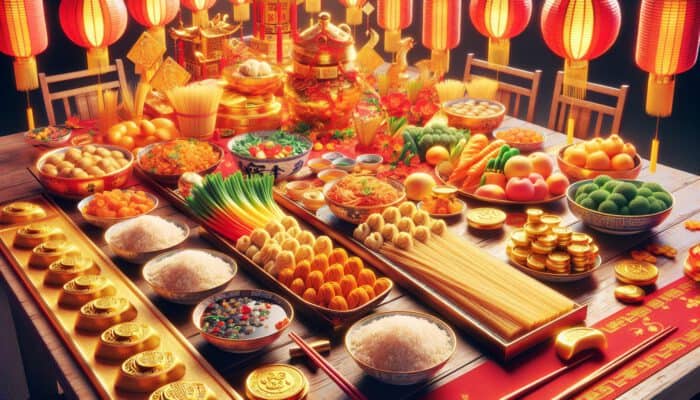
Creating an Unforgettable Lunar New Year feast Involves Thoughtful Dish Selection. To ensure your feast is exceptional, it's vital to assemble a wide variety of dishes that not only honour the rich cultural heritage but also celebrate the culinary diversity of the occasion. Key staples typically include rice, noodles, dumplings, and a colourful assortment of seasonal vegetables. These essential components enhance the meal's symbolic meanings, embodying significant themes such as prosperity, longevity, and unity. For example, long noodles represent wishes for a lengthy and fulfilling life, while dumplings, crafted to resemble ancient coins, are closely linked with wealth and good fortune. This vibrant selection of flavours ensures that every guest enjoys a delightful experience, catering to a variety of dietary preferences and needs.
How to Identify the Freshest Produce for Your Lunar New Year Feast?
Freshness of Produce Is Vital for Crafting a Memorable Feast. The quality of your fresh produce is paramount in impressing your guests and enhancing the overall dining experience. Opting for seasonal fruits and vegetables not only brightens your dishes but also significantly enriches their flavour profiles. When selecting produce, keep these essential guidelines in mind:
- Choose vibrant, brightly coloured fruits and vegetables to enhance visual appeal and stimulate the senses.
- Check for firmness; items that are overly ripe can negatively affect the taste and texture of your dishes.
- Purchase from local sources whenever possible to guarantee freshness and support community farmers, thus contributing to a sustainable food system.
- Store perishables in a cool, dry environment to extend their shelf life and maintain quality.
With this knowledge in hand, you ensure that every ingredient plays a crucial role in crafting a delightful culinary experience that will be cherished and remembered by all attendees.
How to Achieve the Perfect Balance of Flavours and Textures in Your Dishes?
Creating a Harmonious Balance of Flavours and Textures Is Essential for a Delightful Meal. Mastering the art of balancing contrasting elements is vital for crafting a meal that truly delights the senses. An effective feast combines a variety of textures and flavours, ranging from crunchy to tender or sweet to savoury. This can be achieved by pairing stir-fried vegetables with tender meats, which elevates the dining experience and caters to a diverse audience. For instance, serving crispy fried spring rolls alongside a smooth, creamy dipping sauce creates an enticing contrast that enhances the overall enjoyment of the feast.
How to Use Fresh Herbs and Spices to Enhance Your Flavours?
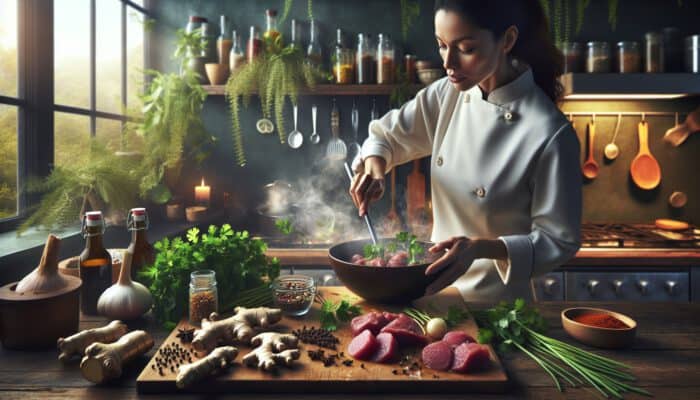
herbs and spices Are Crucial for Elevating the Flavours of Your Feast. These ingredients are fundamental in transforming ordinary dishes into extraordinary culinary delights. Fragrant coriander and aromatic ginger infuse your meals with complexity and depth. Incorporating unique elements, such as native Australian bush spices like wattleseed or lemon myrtle, alongside traditional herbs adds a modern twist while respecting cultural traditions. To maximise the impact of herbs and spices, consider employing them at various stages of cooking—such as marinating meats beforehand or garnishing dishes just prior to serving—to create an aromatic finish that captivates the senses.
Why Is Sustainable Sourcing of Ingredients Important for Your Feast?
Ethical and Eco-Friendly Ingredient Sourcing Is Fundamental for a Modern Feast. Supporting local Australian farmers not only enhances the sustainability of your feast but also guarantees the freshness of your ingredients. When shopping, look for certifications indicating “organic” or “sustainably sourced” to make informed choices that align with your values. Moreover, being conscious of seasonal availability helps to reduce waste and promotes environmental responsibility. Engaging with community-supported agriculture (CSA) programmes offers an excellent way to source your ingredients while positively impacting the local economy, ensuring a feast that reflects care for both the environment and the community.
What Are the Crucial Steps to Prepare Your Lunar New Year Feast?
How to Organise Your Kitchen Space for Maximum Efficiency During Preparation?

A Well-Organised Kitchen Is the Foundation for an Enjoyable Cooking Experience. To guarantee a smooth cooking process, start by decluttering your countertops and establishing designated zones for preparation, cooking, and plating. Ensure that essential tools like sharp knives, cutting boards, and measuring cups are easily accessible to streamline your workflow. Consider using trays or bowls to group ingredients by dish, which promotes easy access during the cooking process and aids in maintaining an efficient flow in your kitchen, ensuring everything is in place and ready when needed.
How Can You Simplify Cooking Techniques for Better Results?
Simplifying Cooking Techniques Makes Preparation More Accessible and Enjoyable for Everyone. Employing straightforward methods such as batch cooking can save valuable time while preserving authenticity in your dishes. For instance, preparing large quantities of broth in advance can significantly enhance the flavour of soups and stews. Additionally, utilising tools like slow cookers or pressure cookers can dramatically reduce cooking times without compromising flavour or quality. These practical steps empower chefs of all skill levels to contribute delicious dishes to the feast, ensuring that everyone enjoys both the cooking experience and the delightful results.
What Is the Optimal Timing Strategy for Cooking Your Dishes?
Effective Timing Is Essential for a Seamless and Enjoyable Dining Experience. Proper timing ensures that all components of your feast align perfectly for delightful service. Start by planning your meal and sequencing tasks so that every element is ready to serve simultaneously. For example, begin with longer-cooking items like braised dishes while prepping quicker items such as salads and stir-fries. Maintaining close control over heat is vital; using timers can help you monitor each dish to avoid overcooking or burning, resulting in a cohesive and enjoyable meal for everyone at the table.
Expert Insights for Crafting a Memorable Lunar New Year Feast
What Advanced Preparation Tips Can Elevate Your Feast?
Elevating Your Feast Requires Refined Techniques That Enhance Flavours and Presentation. Consider these advanced methods for precision and creativity:
- Marinate proteins overnight to allow for rich flavour absorption that enhances your dishes.
- Utilise sous-vide cooking for perfectly tender meats that will impress your guests.
- Layer flavours by adding seasonings gradually throughout the cooking process to build depth.
- Incorporate umami-rich ingredients, such as mushrooms or fermented sauces, to deepen the overall taste experience.
Additionally, pay attention to timing adjustments based on the types of ingredients; for example, slow-cooking certain vegetables can enhance their natural sweetness, making your dishes even more delightful and satisfying for all.
How to Enhance Your Presentation Skills for a Stunning Table Setting?
Effective Presentation Transforms the Dining Experience into a Visual Feast. To improve the visual appeal of your meal, consider the contrast of colours on your serving platters. Use fresh herbs as garnishes to elevate the aesthetics of each dish. Simple arrangements, such as stacking dumplings or artfully draping noodles, can add elegance to your table setting. Investing time in plating ensures that each dish not only tastes incredible but also looks enticing, making every guest eager to dive into the meal and savour the culinary delights you’ve prepared.
What Common Mistakes Should You Avoid When Following Recipes for Your Feast?
Avoiding Common Pitfalls Is Essential for Culinary Success that Impresses Your Guests. One frequent mistake is neglecting to read the entire recipe thoroughly before starting, which can lead to missed steps or overlooked ingredients. Additionally, rushing through the cooking process may cause flavour or texture inconsistencies that detract from the meal. To sidestep these issues, approach each recipe methodically, allowing ample time for each component to shine, ensuring a flawless outcome that reflects your dedication to creating a memorable feast.
How to Effectively Enhance Flavours in Your Dishes for Lunar New Year?
What Are the Best Ways to Incorporate Spices and Herbs for Maximum Impact?
Adding Depth to Your Dishes with Spices and Herbs Is an Art That Enhances Any Meal. Focus on gradual integration, beginning with small amounts and adjusting as you develop your palate. For example, experimenting with a hint of fresh chilli can add a delightful kick to a mild dish, while adding fresh herbs at the end of cooking preserves their vibrant flavours and aromatic qualities. This approach allows for personalisation while ensuring balanced results in every dish, making each bite a joy for you and your guests.
Why Is Experimenting with Variations in Recipes Beneficial for Your Cooking?
Experimenting with Recipe Variations Encourages Creativity and Personal Touches in Your Cooking. Adapting traditional dishes while preserving their core elements can lead to exciting culinary discoveries that surprise and delight. For instance, incorporating locally sourced ingredients or alternative cooking methods can modernise classic recipes without sacrificing their essence. Substituting ingredients based on availability or dietary restrictions not only enhances the meal but also invites guests to share their preferences, making the overall experience more inclusive and enjoyable for everyone at the table.
How to Test for Taste Balance Throughout the Cooking Process?
Refining Flavours Through Regular Sampling Is Critical for Culinary Satisfaction that Resonates with Your Guests. Continuously taste your dishes throughout the cooking process, adjusting seasoning as needed to ensure harmony in flavour. If a dish feels too salty, a splash of acidity, such as lemon juice, can effectively balance it out. This iterative approach promotes the development of well-rounded flavours that resonate with your guests, ensuring that each bite is both delightful and memorable, contributing to an enjoyable dining experience.
What Is the Importance of Pairing Complementary Flavours in Your Dishes?
Pairing Complementary Flavours Is Crucial for Enhancing Overall Taste Profiles in Australian Cooking. Combinations of sweet and tangy elements, such as native bush foods paired with citrus, can dramatically elevate a dish's overall appeal and complexity. For example, serving grilled kangaroo with a citrus-based salsa provides contrasts that highlight the rich flavours of the protein. Experimenting with local ingredients and adjusting recipes to fit your palate ensures that your dishes remain authentic while catering to varied tastes and preferences, creating a satisfying meal for all.
How Do Different Cooking Techniques Impact the Flavours of Your Dishes?
Choosing the Right Cooking Techniques Can Significantly Influence Flavours and Textures of Your Dishes. Various methods, such as grilling or slow-cooking, can intensify the flavours in your meals. For instance, marinating meats before grilling infuses them with depth and helps retain moisture, resulting in juicy and flavourful dishes. Conversely, steaming vegetables maintains their essence and crispness, ensuring they complement the main offerings beautifully. This strategic approach to cooking guarantees optimal results through ongoing practice and experimentation, ultimately enhancing your culinary skills.
Proven Strategies for Creating a Memorable Lunar New Year Feast
What Steps Can Streamline the Assembly Process for Your Feast?
Efficiently Combining Components Enhances Your Feast Preparation and Makes the Process More Enjoyable. By planning the assembly process, you can minimise waste and maximise freshness. Start by grouping similar items, such as sauces and garnishes, to simplify the final touches. Set aside specific utensils and serving dishes for each course to ensure a seamless transition from kitchen to table. These actionable steps help create a smooth assembly process that maintains the quality of your feast and elevates the overall experience for all your guests.
How to Ensure Food Safety Standards Are Met During Your Feast?
Food Safety Is Paramount When Preparing a Large Feast, and adhering to essential practices is crucial for a worry-free dining experience. Key practices include washing hands frequently, ensuring that surfaces are clean, and storing food at appropriate temperatures to prevent contamination. For example, keeping cold dishes on ice during service helps maintain their quality and safety. Implementing practical hygiene routines, such as using colour-coded cutting boards for different food types, further enhances safety measures in your kitchen, ensuring a secure environment for everyone involved.
How Can You Adapt Recipes for Different Group Sizes Effectively?
Flexibility in Scaling Recipes Is Vital for Accommodating Various Group Sizes and Ensuring Everyone Is Satisfied. Understanding portion guidelines enables you to adjust recipes based on your guest list, guaranteeing that each person enjoys the meal without excessive leftovers. For example, preparing a standard recipe while considering the number of guests can help you effectively adjust ingredient quantities. This adaptability promotes versatility in your planning, making it easy to cater to both intimate gatherings and larger celebrations without compromising quality.
Why Should You Incorporate Traditional Recipes into Your Feast?
Embracing Traditional Recipes Is Key to Crafting a Memorable Lunar New Year feast that Resonates with Cultural Significance. Delve into classic dishes from various Asian cultures, providing step-by-step guides for beloved items such as dumplings and rice cakes. Highlight modern adaptations suited to contemporary kitchens, ensuring that traditional flavours are preserved while remaining accessible to home cooks. Balancing flavours and presentation is essential, as these cherished recipes foster a sense of connection and celebration among guests, enriching the overall experience and making it truly special.
How to Serve and Enjoy the Lunar New Year Feast to Its Fullest?
What Is the Best Way to Set Up the Table Layout for Your Feast?
A Thoughtful Table Layout Facilitates Sharing and Enhances the Communal Experience During the Feast. Arrange dishes to provide easy access for guests, placing larger platters in the centre for buffet-style serving. Incorporating decorative elements, such as fresh flowers or themed decorations, can create a festive atmosphere that encourages engagement and connection. Creating a warm and inviting setting enhances the overall enjoyment of the meal, fostering a sense of togetherness among guests during this special celebration, making each moment more memorable.
How to Engage Mindfully with Guests During the Meal?
Mindful Sharing During the Meal Fosters Deeper Connections and Enriches the Overall Dining Experience. Encourage inclusive practices such as storytelling around the table, where individuals share their Lunar New Year traditions or cherished memories associated with specific dishes. This engagement not only enhances the occasion but also creates lasting bonds among participants. Providing opportunities for guests to express gratitude or share their experiences enriches the overall atmosphere, making the feast even more meaningful and memorable for everyone involved.
What Is the Best Way to Store Leftovers After the Feast?
Properly Preserving Leftover Dishes Is Crucial for Reducing Waste and Ensuring Longevity. Store any leftover dishes in airtight containers to maintain freshness and flavour, labelling them with dates for easy identification. Encourage guests to take home any remaining food items to share with their families, fostering a spirit of generosity. This practice not only diminishes waste but also extends the joy of the feast beyond the initial gathering, creating lasting memories associated with the meal and promoting a sense of community among everyone who celebrated together.
Frequently Asked Questions About Lunar New Year Feasts
What Are Some Traditional Dishes You Should Include in a Lunar New Year Feast?
Common dishes include dumplings, rice cakes, spring rolls, and fish, each symbolising prosperity, happiness, and longevity for the coming year.
How Can I Make My Lunar New Year Feast More Inclusive?
Incorporate a variety of dishes to accommodate dietary restrictions and encourage guests to share personal traditions related to the meal, creating a welcoming environment.
What Is the Importance of Dumplings During Lunar New Year Celebrations?
Dumplings are shaped like ancient coins, symbolising wealth and prosperity for the year ahead, making them an essential part of the celebration.
How Do I Choose the Best Ingredients for My Feast?
Opt for fresh, seasonal produce, and consider sourcing from local farmers to ensure quality while supporting your community and sustainable practices.
What Are Some Essential Tips for Ensuring Food Safety During the Feast?
Maintain cleanliness by washing hands regularly, keeping food at safe temperatures, and using separate cutting boards for raw and cooked items to prevent cross-contamination.
How Can I Enhance the Flavours of My Dishes Effectively?
Incorporate herbs and spices gradually, and consider using umami-rich ingredients to elevate the overall taste and complexity of your meals.
What Are Some Efficient Cooking Methods for Hosting a Large Gathering?
Batch cooking, employing slow cookers, and preparing dishes in advance can significantly streamline the cooking process for larger groups, ensuring a stress-free experience.
How Can I Adapt Traditional Recipes for Modern Kitchens?
Focus on simplifying steps, reducing cooking times, and utilising readily available ingredients while preserving the essence of the dish for traditional authenticity.
What Is the Best Way to Serve the Feast to Your Guests?
Arrange dishes buffet-style to facilitate sharing, and create an inviting atmosphere with decorations that enhance the celebratory mood for your guests.
How Should I Store Leftovers After the Feast to Ensure Freshness?
Use airtight containers for storage, label them with dates, and encourage guests to take home any remaining food to help reduce waste and promote sustainability.
Connect with us on Facebook today!
The post How to Make a Lunar New Year Feast: A Step-by-Step Guide appeared first on https://cookinggods.com
The Article Lunar New Year Feast: Your Step-by-Step Guide Was Found On https://limitsofstrategy.com