Effective Team Building Techniques for Virtual Assistant Agencies
How Important is Communication for Successful Team Building?

Effective communication serves as the bedrock for successful team building within Virtual Assistant (VA) agencies. It establishes the foundation for collaboration and fosters trust among team members. Regular team meetings, alongside open feedback channels, ensure that every individual feels recognised and invaluable. Promoting a culture of transparent communication facilitates the swift resolution of challenges, preventing misunderstandings that could jeopardise project timelines. Approaches like round-table discussions enhance inclusivity, allowing each member to voice their insights and concerns, thereby enriching the overall decision-making process.
Moreover, leveraging digital communication tools such as project management software dramatically improves the flow of information, ensuring all team members remain aligned. Platforms like Slack or Trello enable quick updates and effective delegation of responsibilities, enhancing accountability and teamwork. By embracing virtual platforms, particularly for remote teams, agencies can transcend geographical boundaries, ensuring seamless communication and collaboration across diverse locations.
How Can Trust Be Built Among Team Members?
Creating trust within VA agencies is critical for achieving collective goals and enhancing team dynamics. Regular interactions, whether through structured team-building activities or informal social gatherings, help develop strong rapport among members. The trust established within the team empowers individuals to express their ideas openly and collaborate more effectively, leading to improved morale and increased productivity. A trustworthy atmosphere nurtures a solid support system, where team members are more inclined to assist one another, ultimately resulting in stronger cohesion over time.
For example, implementing peer-to-peer recognition programmes can foster an appreciation culture, where team members acknowledge each other’s contributions. Such initiatives not only uplift individual morale but also reinforce a shared commitment to the team’s objectives. Furthermore, being transparent in decision-making processes enhances trust, as members feel informed and engaged in the agency's direction.
Why Should Skill Development Sessions Be Encouraged?
Skill development represents a crucial aspect of sustaining a high-performing team within VA agencies. By providing personalised training sessions tailored to address both current and emerging challenges, teams can effectively enhance their expertise and adapt to the evolving operational landscape. These initiatives not only foster innovation but also keep team members engaged in their roles, thus cultivating a culture of continuous improvement.
- Workshops dedicated to conflict resolution and effective communication strategies
- Leadership training aimed at nurturing potential team leaders
- Technical skills training pertinent to agency operations
- Regular feedback sessions designed to identify skill gaps
- Cross-training initiatives to develop a multi-skilled workforce
- Mentorship programmes linking seasoned staff with newer employees
- Online courses tailored to enhance specific competencies
- Team exercises aimed at challenging and developing problem-solving skills
Implementing these strategies not only fortifies individual capabilities but also elevates overall team performance by ensuring that all members are equipped to meet the agency's objectives proficiently. The collective enhancement of team skills contributes to a more innovative and agile operational framework, which is essential for achieving success in any VA agency.
What is the Importance of Developing Leadership Within Teams?
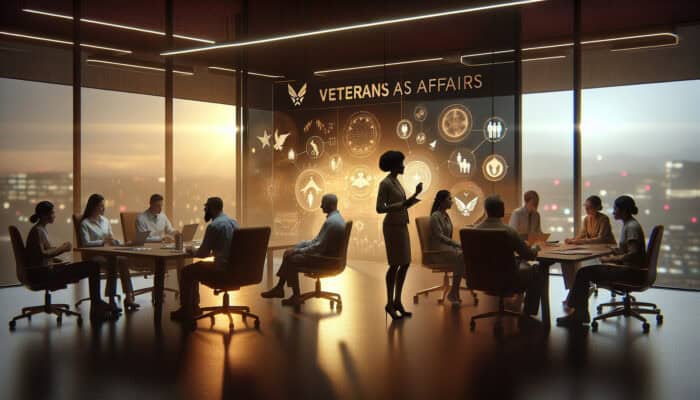
Developing leadership within teams at VA agencies is vital for ensuring operational continuity and driving innovation. Identifying potential leaders early through performance evaluations enables the formulation of targeted mentorship programmes. These initiatives equip individuals with the necessary skills and confidence to embrace leadership roles, ultimately benefiting the entire team dynamic.
Providing team members with opportunities to lead projects or initiatives instils a sense of ownership and responsibility, thereby enhancing engagement. This can be further supported by structured decision-making processes, where team members are invited to share their perspectives. Such inclusivity ensures diverse viewpoints are considered, resulting in more robust solutions and strategies. Moreover, nurturing leadership within VA agencies cultivates a pipeline of capable leaders, ensuring smooth transitions during periods of change and supporting long-term growth.
How to Effectively Plan and Execute Team Building Activities?
What Essential Steps are Required for Planning Successful Activities?
Implementing team building activities in VA agencies necessitates meticulous planning to ensure alignment with the team's unique needs and objectives. Well-structured activities aimed at enhancing engagement not only unite team members but also address significant operational challenges. It is imperative to incorporate activities that promote collaboration and creativity while remaining attuned to the agency’s culture and goals.
To initiate this process, conducting a needs assessment can identify specific areas that require team building, whether it involves improving communication, enhancing trust, or fostering innovation. Following the assessment, activities can be tailored to address these identified needs. For instance, if communication is a challenge, role-playing exercises can effectively assist team members in honing their interpersonal skills. Alternatively, outdoor team challenges can foster camaraderie and problem-solving skills in a more relaxed setting.
What Challenges Might Arise During Team Building Initiatives?
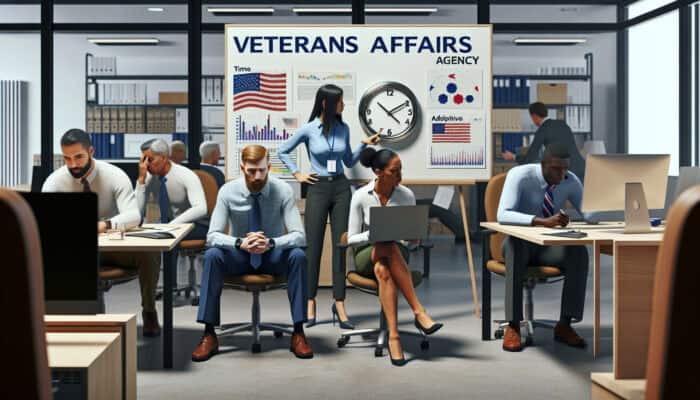
While executing team building activities, VA agencies may encounter challenges such as time constraints and differing levels of motivation among participants. Recognising these potential barriers early on can facilitate adaptive planning to ensure the success of the team building initiatives. Allocating dedicated time for activities can help alleviate the issue of busy schedules, while ensuring that all team members comprehend the value of participation can significantly enhance engagement.
Moreover, flexibility in approach is critical. Activities should be designed to cater to diverse motivations by offering a variety of options that appeal to different personality types. For instance, some members may thrive in competitive scenarios, whilst others may prefer collaborative tasks. Incorporating feedback mechanisms post-activity can also help gauge engagement levels and adjust future activities accordingly, ensuring ongoing improvement in team dynamics.
How to Evaluate the Success of Team Building Activities?
Assessing the outcomes of team building activities is essential for measuring their effectiveness in enhancing teamwork within VA agencies. This evaluation process involves tracking participation rates and gathering feedback from team members to determine improvements in collaboration and morale. For example, conducting pre- and post-activity surveys can yield valuable insights into the perceived effectiveness of the sessions, revealing shifts in team dynamics and individual attitudes.
Furthermore, evaluating tangible results such as improved project completion rates or diminished conflict levels can quantitatively demonstrate the impact of the activities. By establishing clear metrics for evaluation, agencies can gain a clearer understanding of which strategies yield the most successful results and refine their approach to team building. This data-driven perspective is crucial for ensuring that team building initiatives provide long-term benefits and contribute to overall operational efficiency.
What Criteria Should Guide the Selection of Suitable Activities?
Choosing appropriate activities for team building in VA agencies necessitates a comprehensive understanding of the team's unique needs and operational goals. Activities should be varied, inclusive, and designed to nurture specific skills such as communication or trust-building. By aligning activities with organisational objectives, agencies can ensure that outcomes are both relevant and beneficial.
For example, if the team struggles with communication, activities like “Two Truths and a Lie” can be employed to stimulate open dialogue in an enjoyable environment. Conversely, if trust is identified as a key issue, trust-building exercises such as “Trust Falls” or team retreats can prove effective. It is also essential to consider the diverse backgrounds and personalities of team members when selecting activities to ensure all participants feel included and engaged.
Expert Insights on Team Building Strategies for Human VA Agencies
What Are the Fundamental Principles of Effective Team Building?
Expert analysis of team building strategies highlights the significance of core principles such as inclusivity and alignment with goals. These principles are vital for enhancing cohesion and overall performance within VA agencies. For successful implementation, agencies should cultivate an inclusive atmosphere where all voices are acknowledged and valued, achievable through regular feedback cycles and open discussions.
Moreover, aligning team goals with the broader objectives of the agency bolsters commitment and motivation. Establishing clear, measurable goals allows teams to monitor progress and celebrate achievements collectively, reinforcing a sense of unity. Workshops concentrating on strategic planning can clarify objectives and ensure all members are working towards a shared vision. Furthermore, recognising and addressing individual strengths can further enhance team dynamics and drive overall performance.
What Common Mistakes Should Be Avoided in Team Building?
A prevalent pitfall in team building within VA agencies is disregarding individual differences among team members. Overlooking varying motivations and work styles can lead to frustration and disengagement. It is crucial to develop tailored strategies that respect these differences, ensuring all team members feel included and valued.
Another potential issue arises from the inclination to apply one-size-fits-all solutions, which may not sufficiently address the unique challenges faced by different teams. Conducting regular assessments of team needs and adapting strategies accordingly can help avert these pitfalls. Incorporating a diverse range of team-building activities that cater to various personalities and preferences can significantly enhance engagement and effectiveness.
How to Establish Long-Term Frameworks for Team Building?
Experts advocate for the development of long-term frameworks that integrate team building into the daily routines of VA agencies. Such frameworks should focus on sustained engagement, preventing burnout and supporting ongoing success. Regular team-building routines, such as monthly workshops or quarterly retreats, can cultivate a culture of collaboration that extends beyond isolated activities.
Additionally, embedding team building into performance evaluations and feedback processes reinforces its importance within the organisational structure. Encouraging leaders to exemplify team-building behaviours sets a powerful precedent throughout the agency. This ongoing commitment to team development not only enhances cohesion but also aligns team efforts with the agency's mission, fostering a more resilient and motivated workforce.
What Key Benefits Do These Team Building Strategies Offer?
How Do These Strategies Boost Team Productivity?
Implementing effective team building strategies leads to enhanced productivity within VA agencies. By fostering improved collaboration and communication, these strategies minimise errors and streamline processes, enabling more efficient task management. Teams that engage in regular team-building activities typically experience clearer communication channels, resulting in quicker decision-making and heightened problem-solving capabilities.
For instance, a well-coordinated team can manage projects more proficiently, effectively allocating resources and responsibilities in a manner that maximises efficiency. Moreover, improved team dynamics often lead to heightened accountability, as members develop a stronger commitment to their colleagues. This interconnectedness translates into better performance outcomes, with teams consistently achieving their objectives with higher quality.
How Do Team Building Strategies Enhance Morale?
Team building strategies significantly elevate morale within VA agencies by establishing a supportive environment where team members feel valued and motivated. When individuals recognise their contributions to the team’s success, it enhances their overall job satisfaction. Activities that facilitate social interaction, such as team lunches or volunteer outings, can nurture positive relationships that extend beyond the workplace.
Additionally, these strategies help establish a culture of appreciation, where team members regularly acknowledge each other’s efforts. Recognising achievements, both significant and minor, reinforces a sense of belonging and investment in the team’s goals. High morale ultimately leads to increased retention rates and improved workplace satisfaction, resulting in a more stable and committed workforce.
What Role Does Team Building Play in Fostering Innovation?
Team building activities play a crucial role in nurturing innovative thinking within VA agencies. By promoting a diverse array of ideas and perspectives, teams become more adept at problem-solving and adapting to new challenges. For instance, inclusive brainstorming sessions can generate unique solutions that may not surface in a more hierarchical environment.
Furthermore, engaging in creative activities can stimulate out-of-the-box thinking. For example, workshops centred around design thinking can empower teams to explore innovative approaches to their work. The collaborative nature of these exercises encourages team members to share their insights freely, resulting in a richer pool of ideas that can propel the agency forward. Ultimately, cultivating an innovative culture through strategic team building is essential for keeping pace with evolving demands.
What Research-Backed Advantages Exist for Team Building Strategies in Human VA Agencies?
How to Explore Evidence-Based Approaches?
Research indicates that effective team building strategies can significantly enhance the operations of VA agencies by improving interpersonal relationships and collaboration. Studies reveal that organisations implementing structured team-building programmes experience lower turnover rates, as employees feel more connected and engaged with their teams. This connection fosters a harmonious workplace where individuals are motivated to contribute to the agency's mission.
Moreover, evidence suggests that teams participating in team-building activities regularly report higher levels of job satisfaction. This correlation underscores the importance of prioritising team cohesion as a critical component of agency strategy. By employing evidence-based approaches, VA agencies can create a more effective work environment that promotes positive outcomes for both employees and the organisation as a whole.
What Metrics Can Be Utilised to Measure Impact on Performance?
Measuring the impact of team building strategies on performance involves tracking various metrics that link these activities to productivity gains. Data analysis can reveal significant improvements in project completion times, team cohesion scores, and overall efficiency within the agency. Implementing regular performance reviews that assess the effectiveness of team-building initiatives solidifies their value. By establishing clear, quantifiable goals, VA agencies can better gauge the success of their team-building efforts and inform decisions regarding future initiatives.
Additionally, gathering feedback from team members allows agencies to identify which activities yield the most substantial impact. This iterative process ensures that team building evolves in accordance with the changing needs of the workforce, leading to sustained improvements in performance and morale.
How Can Engagement Be Sustained Over Time?
Sustaining engagement in VA agencies is critical for ensuring long-term success in team building. Research highlights several strategies to maintain high levels of engagement, including regular assessment and adaptation of activities to meet evolving team needs. By continually evaluating the effectiveness of team-building efforts, agencies can make necessary adjustments to keep team members motivated and involved.
- Conducting periodic engagement surveys to gather feedback from team members
- Implementing a rotation of team-building activities to keep them fresh and engaging
- Encouraging team members to suggest their own activities to enhance involvement
- Recognising milestones and achievements regularly to reinforce motivation
- Offering varied opportunities for participation, catering to different interests
- Creating a dedicated team-building calendar to maintain focus
- Integrating team-building activities into regular work routines for consistency
- Establishing clear objectives for each activity to enhance relevance and impact
These strategies help ensure that team-building efforts yield lasting improvements in team spirit, productivity, and operational effectiveness, ultimately benefiting the agency as a whole.
What Methods Enhance Innovation and Creativity?
Research indicates that team building strategies within human VA agencies can substantially elevate innovation by fostering collaborative problem-solving and creative thinking. Studies show that organisations prioritising team building often experience a notable increase in creative outputs, with some reporting an up to 25% rise in innovative ideas. These strategies inspire fresh thinking while also helping teams navigate complex challenges more effectively.
To optimise these strategies for sustained innovative gains, agencies can incorporate specific activities that encourage creative collaboration. For instance, regular hackathons or innovation days can provide teams with opportunities to explore new concepts and develop solutions to pressing problems. By creating a safe environment for experimentation, teams are encouraged to think outside the box, leading to breakthrough solutions that advance the agency’s mission.
Why is Measuring Team Building Success Crucial?
What Metrics Should Be Used for Assessment?
Measuring the success of team building initiatives within VA agencies requires specific metrics to accurately assess their effectiveness. Key indicators include engagement surveys, participation rates, and performance data, all of which provide insights into the impact of team-building activities. Actively involving team members in these measurements not only enhances transparency but also fosters a sense of ownership in the process.
Additionally, tracking project outcomes, including completion times and quality of work, can further illustrate the advantages of effective team building. By establishing clear metrics from the outset, agencies can create a framework for ongoing assessment that ensures efforts align with organisational goals and objectives.
How Can Potential Shortfalls Be Addressed?
Identifying potential shortfalls in team building through measurement empowers VA agencies to target areas needing improvement. This proactive approach ensures that teams do not become stagnant or disengaged, as adjustments can be made based on collected data. Regular check-ins and assessments can highlight areas where team dynamics require strengthening or where new strategies might be crucial for enhanced performance.
Furthermore, fostering open dialogue regarding challenges and successes encourages team members to share feedback, contributing to a culture of continuous improvement. This responsiveness not only addresses immediate concerns but also cultivates a resilient team capable of adapting to future challenges.
How to Modify Team Building Strategies Based on Results?
Adapting team-building strategies based on success metrics is vital for ensuring ongoing relevance and effectiveness. By analysing feedback and performance data, VA agencies can refine their approach to meet the evolving needs of their teams. This adaptability is essential for fostering a culture that values continuous improvement and innovation.
For instance, if certain activities yield low engagement scores, agencies should be prepared to explore alternative options that resonate more effectively with team members. Incorporating regular feedback loops into the evaluation process encourages team members to voice their preferences and suggestions, ensuring that team-building initiatives remain dynamic and engaging. Ultimately, this responsiveness contributes to enhanced team resilience and overall performance.
Best Practices for Sustaining Team Cohesion
How to Implement Regular Check-Ins?
Maintaining team cohesion within VA agencies necessitates regular check-ins that reinforce interpersonal connections. These sessions provide an invaluable opportunity for team members to discuss their progress, share concerns, and celebrate achievements. Consistent communication helps to ensure everyone remains aligned with the team’s objectives, fostering a sense of belonging and commitment.
Implementing structured weekly or bi-weekly check-ins can effectively address emerging issues before they escalate, ensuring that team members feel supported and valued. These sessions can adopt various formats, including one-on-one meetings, team huddles, or informal gatherings, accommodating diverse preferences and enhancing engagement.
Why is Emphasising Diversity Essential?
Focusing on Diversity within VA agency teams enhances cohesion by incorporating a broad range of perspectives and experiences. A diverse team is more likely to generate creative solutions and adapt to changing circumstances effectively. By valuing and leveraging the unique contributions of each member, agencies can cultivate an inclusive environment that boosts creativity and innovation.
Encouraging diversity encompasses various aspects, including gender, ethnicity, and professional backgrounds. Agencies that actively promote diversity in their hiring practices and team-building activities create a more vibrant and effective workforce. Additionally, diversity training workshops can raise awareness and sensitivity, ensuring that team members feel respected and valued, regardless of their backgrounds.
How to Review and Update Team Building Strategies?
Conducting ongoing reviews of team-building strategies in VA agencies is vital to ensure they remain relevant and effective. Regular assessments enable agencies to adapt to changing circumstances and the evolving needs of their teams. By integrating feedback from team members, agencies can identify which initiatives resonate and which require modification.
- Conducting bi-annual assessments of team-building effectiveness
- Implementing a feedback mechanism for continuous improvement
- Adapting activities based on team dynamics and feedback received
- Encouraging team members to propose new activities to enhance engagement
This proactive approach not only keeps team members engaged but also fosters a culture of continuous learning and development. Regular reviews ensure that team building becomes an integral part of the agency's culture, ultimately leading to sustained cohesion and performance.
How to Promote Continuous Learning?
Encouraging continuous learning is crucial for sustaining team cohesion within VA agencies. Motivating team members to develop their skills and share knowledge fosters a supportive environment where everyone feels empowered to contribute. This culture of learning facilitates adaptability, enabling the team to navigate challenges effectively.
Providing opportunities for professional development through workshops, training sessions, and online courses can significantly enhance team members’ capabilities. Additionally, establishing a knowledge-sharing platform enables team members to exchange insights and best practices, promoting collective growth. This commitment to continuous learning not only strengthens individual skills but also enhances overall team performance, resulting in a more resilient and dynamic workforce.
Frequently Asked Questions (FAQs)
What are the key strategies for team building in VA agencies?
Key strategies include effective communication, building trust among team members, encouraging skill development sessions, and nurturing leadership within teams.
How can communication improve team dynamics?
Effective communication enhances collaboration and trust, ensuring tasks are completed efficiently and conflicts are resolved swiftly, thereby improving overall team dynamics.
What are common pitfalls in team building?
Common pitfalls involve overlooking individual differences and employing one-size-fits-all solutions, which can undermine team cohesion and overall effectiveness.
How does team building boost morale in VA agencies?
Team building boosts morale by creating a supportive environment, fostering interpersonal relationships, and recognising individual contributions, which leads to increased job satisfaction.
What methods can be used for skill development?
Methods include workshops, mentorship programmes, online courses, and cross-training to enhance team members' capabilities and adapt to various challenges.
How can we measure the success of team building activities?
Success can be measured through engagement surveys, participation rates, performance data, and feedback from team members to assess the impact of activities.
Why is diversity important in team building?
Diversity strengthens team cohesion by incorporating varied perspectives, which enhances creativity, innovation, and overall team performance.
What are the benefits of team building for productivity?
Team building improves productivity by enhancing collaboration, minimising errors, and streamlining processes, enabling teams to manage tasks more efficiently.
How can we sustain engagement in team building initiatives?
Sustaining engagement involves regular assessments, adapting activities based on feedback, and recognising milestones to keep team members motivated and involved.
What role does leadership play in team building?
Leadership fosters an environment of support, encourages team cohesion, and aids in developing potential leaders through mentorship, contributing to the agency's success.
Join us on YouTube for more adventures!
The Article Team Building Strategies for Human VA Agencies First Published On: https://vagods.co.uk
The Article Team Building Strategies for Virtual Assistant Agencies Was Found On https://limitsofstrategy.com