Uncover the Essential Benefits of Barefoot Shoes for Avid Hikers
Selecting barefoot shoes is crucial for <a href="https://limitsofstrategy.com/xero-shoes-made-analyzing-the-supply-chain-of-minimalist-footwear/">minimalist footwear</a> enthusiasts, as these innovative shoes significantly amplify natural foot movements and enhance the overall hiking journey. Numerous studies reveal that barefoot shoes offer superior ground feel and foster foot strength, both of which are essential for engaging in outdoor activities. By wearing barefoot shoes, hikers can establish a deeper connection with the terrain, which in turn improves balance and agility across various trails, making every hike more enjoyable and effective.
At MyShoesFinder, our commitment lies in offering exceptional barefoot shoes, ensuring that outdoor enthusiasts experience unparalleled comfort and agility throughout their hiking adventures. Our meticulously curated selection caters to a wide range of preferences, guaranteeing that every hiker discovers their ideal match tailored to their unique needs and requirements.
We generate revenue through affiliate partnerships with top-tier brands in the barefoot shoe industry, providing our users with comprehensive reviews and insightful comparisons. Our mission is to empower consumers to make well-informed decisions, ultimately enhancing their hiking experiences and fostering greater enjoyment of the great outdoors.
This all-encompassing guide will delve into:
- Essential characteristics of popular models
- Material composition and overall durability aspects
- Price comparisons and budgetary considerations
- User reviews and genuine feedback from the field
- Sizing recommendations and fit tips for maximum comfort
What Distinct Features Characterise the Xero Shoes Daylite Hiker and Scrambler Mid?
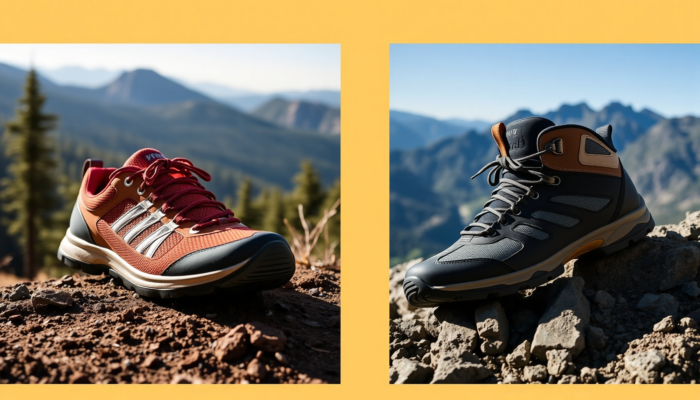
The Xero Shoes Daylite Hiker and Scrambler Mid are carefully designed for hiking aficionados who value a minimalist approach, each showcasing unique attributes. The Daylite Hiker is remarkably lightweight and breathable, making it an ideal choice for warm-weather hikes and leisurely outings. Its flexible sole promotes natural foot movement, enhancing the connection to the ground and allowing hikers to experience every step.
In contrast, the Scrambler Mid is specifically engineered to deliver enhanced ankle support, which is crucial for traversing rugged terrains. This model features a higher cut for improved stability and protection against debris, complemented by a robust outsole that provides superior grip on challenging surfaces, ensuring that you can tackle any trail with confidence.
How Do Comfort Levels and Practicality Differ Between These Models?
Both models prioritise comfort, yet their features cater to differing hiking experiences. The Daylite Hiker excels in ventilation and agility, making it the perfect choice for casual strolls or day hikes. Conversely, the Scrambler Mid is specifically crafted for rocky paths that demand additional support and stability. Understanding the subtle differences between these two models empowers you to select the one that best aligns with your personal hiking style and specific needs.
What Materials Enhance Performance in Each Model?
The selection of materials in the Daylite Hiker and Scrambler Mid has a significant impact on their overall performance. The Daylite Hiker incorporates a breathable mesh upper, facilitating optimal airflow and ensuring that your feet remain cool during lengthy hikes. Its lightweight synthetic overlays enhance durability without sacrificing flexibility, making it an excellent choice for those who prioritise comfort while navigating the trails.
On the other hand, the Scrambler Mid combines high-quality synthetic materials with a water-resistant upper, making it ideal for wet conditions. This model features a stiffer sole compared to the Daylite Hiker, which provides improved shock absorption on rocky trails. Both models reflect the manufacturer's unwavering commitment to performance, durability, and comfort, ensuring that users can rely on them for their outdoor adventures.
How Do the Prices of These Models Measure Up Against Each Other?
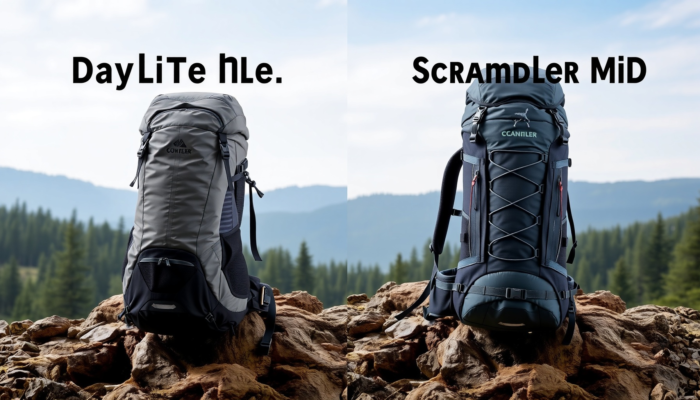
Understanding the pricing dynamics of each model is vital for aligning your budget with your hiking requirements. Below is a comparative analysis of the price points:
| Model | Price Range |
|---|---|
| Daylite Hiker | $95 – $120 |
| Scrambler Mid | $130 – $160 |
The Daylite Hiker is strategically positioned as a more budget-friendly option, making it accessible for casual hikers. In contrast, the Scrambler Mid justifies its higher price with advanced features and enhanced support for challenging conditions. Evaluating your hiking habits and preferences will assist you in choosing a model that fits comfortably within your budget constraints.
What Insights Do Users Share About Their Experiences with Each Model?
User experiences provide invaluable insights into the real-world performance of these hiking shoes. The Daylite Hiker consistently receives positive feedback for its lightweight design and exceptional comfort. Users frequently commend its flexibility and breathability, noting that it feels like a second skin during extended hikes, allowing them to focus on their surroundings rather than discomfort.
Conversely, the Scrambler Mid garners praise for its stability on rough terrains. Hikers highlight the critical role of ankle support, which effectively aids in preventing injuries on challenging trails. Balancing these insights provides a clearer understanding of each model's strengths and weaknesses, ultimately guiding potential buyers in their decision-making process.
How Can You Select the Right Size and Fit for Your Hiking Shoes?
Securing the right fit is paramount when selecting hiking shoes, as it can greatly influence your outdoor experience. The Daylite Hiker typically runs true to size, but users with wider feet often recommend opting for a half-size increase. Its flexible design accommodates comfort during extended wear, enhancing the overall hiking experience by preventing blisters and discomfort.
However, the Scrambler Mid tends to have a tighter fit due to its higher construction. Users advise paying attention to width when determining your size to ensure a comfortable fit. Trying on both models with the socks you intend to wear while hiking is crucial to ensure you achieve an accurate sense of comfort and support, which will enhance your performance on the trails.
What Are the Main Differences Between the Daylite Hiker and Scrambler Mid Models?

How Do Design and Aesthetic Choices Differ Between These Models?
The design of the Daylite Hiker and Scrambler Mid reflects their intended purposes and target audiences. The Daylite Hiker features a sleek, modern aesthetic that appeals to those who prioritise a lightweight and stylish look. Its variety of colour options allows users to express their personal style while enjoying functional footwear that performs well on the trails.
In contrast, the Scrambler Mid emphasises practicality and ruggedness. The higher cut provides a robust silhouette and extra protection from environmental elements, ensuring durability in harsh conditions. Users appreciate the reinforced areas that enhance the model's longevity, making it suitable for challenging outdoor conditions. Ultimately, the choice between these designs hinges on individual preferences and the type of hiking undertaken.
What Is the Impact of Weight and Packability on Comfort?
Weight plays a significant role in both comfort and practicality when it comes to hiking shoes. The Daylite Hiker excels with its ultra-lightweight construction, making it effortless to pack and carry on all your hiking adventures. Weighing less than the Scrambler Mid, it is ideal for day hikes, minimising fatigue over longer distances and allowing hikers to enjoy their journey without feeling weighed down.
Conversely, the Scrambler Mid is slightly heavier due to its additional materials and construction. While this may seem disadvantageous, the added weight translates to enhanced stability and support on rocky terrains. Hikers who prioritise support often find that the extra grams are well worth it when navigating challenging trails, as they offer peace of mind and confidence in their footing.
Which Activities Are Best Suited for Each Model?
The Daylite Hiker truly shines in warm-weather hiking, casual walks, and light backpacking scenarios. Its breathable nature and flexibility make it perfect for exploring scenic trails while maintaining comfort and agility. The lightweight design promotes ease of movement, making it an excellent choice for day hikes requiring quick and nimble navigation.
In contrast, the Scrambler Mid is specifically designed for technical hiking adventures. Its high ankle support and rugged outsole equip it for challenging terrains such as mountainous trails and rocky paths. Hikers tackling these conditions appreciate the added stability and protection that the Scrambler Mid provides, making it a reliable choice for demanding hikes where safety is paramount.
What Expert Insights Can Enhance Your Understanding of Performance?
How Do Performance Metrics Compare for Each Model?
Evaluating performance under various conditions is crucial for determining which model is best suited for your hiking needs. The Daylite Hiker performs exceptionally well in dry and warm environments, thanks to its breathable upper that facilitates quick moisture evaporation, making it ideal for sweaty conditions where ventilation is key.
Conversely, the Scrambler Mid excels in challenging weather conditions, where its stiffer sole and robust construction provide excellent traction on slippery or uneven terrains. Hikers report that the additional ankle support allows for confident navigation on tricky paths, ensuring safety and stability during hikes, especially in adverse conditions.
How Do Longevity and Durability Compare Between Models?
Durability is a critical factor in the selection of hiking shoes, and both the Daylite Hiker and Scrambler Mid showcase commendable longevity. The Daylite Hiker withstands wear well when properly cared for, with users reporting that its upper materials resist degradation effectively, especially in their intended environments where conditions can be harsh.
On the other hand, the Scrambler Mid often outlasts competitors in its category, thanks to the combination of reinforced materials and a robust sole that ensures it can withstand the rigours of challenging trails. Adopting proper maintenance practices can further extend the lifespan of both models, ensuring they serve you well over time and maintain their performance.
What Real-World Examples Illustrate Their Performance?
User experiences provide valuable insights into the real-world performance of each model. Many hikers have taken the Daylite Hiker on picturesque coastal trails, with one user praising its breathability and comfort during steep climbs. These testimonials highlight the shoe's ability to deliver on its promises, making it a favourite among casual hikers.
In contrast, another user took the Scrambler Mid on a challenging trek through Patagonia, emphasising its superior grip on wet rocks and the confidence provided by its ankle support. Such narratives underscore the importance of selecting the right model tailored to specific hiking demands while ensuring safety and performance on the trails.
What Are the Distinct Advantages of Minimalist Hiking Shoes?
How Do Minimalist Shoes Enhance Ground Feel for Hikers?
A standout advantage of minimalist hiking shoes like the Daylite Hiker and Scrambler Mid is their ability to enhance ground feel. This design allows hikers to develop a better connection to the terrain, promoting an intuitive understanding of their surroundings. A closer connection to the ground translates to improved balance and stability, especially on uneven surfaces where every step counts.
Users frequently report feeling more in tune with their environment, which enhances safety and enjoyment during hikes. This heightened awareness can lead to a more fulfilling outdoor experience, as hikers navigate challenges with confidence and poise, making each journey more rewarding.
How Do Minimalist Shoes Contribute to Improved Foot Strength?
Wearing minimalist hiking shoes can significantly contribute to improved foot strength over time. These shoes encourage natural movement and promote the development of intrinsic foot muscles that are often underutilised in traditional footwear. Gradually transitioning to minimalist footwear allows your body to adapt without discomfort or injuries, leading to better performance on the trails.
Many users report increased foot strength and stability after several hiking trips in minimalist shoes, which can enhance overall performance. This development not only benefits hiking but also promotes overall foot health and strength in everyday activities, enabling you to enjoy a more active lifestyle.
What About Comfort and Flexibility in Minimalist Designs?
Comfort and flexibility are paramount for long excursions, and minimalist designs in the Daylite Hiker and Scrambler Mid prioritise these elements. Ensuring hikers maintain energy and enjoyment throughout their journeys is crucial for a successful hiking experience. Users highlight the comfort provided by cushioned insoles in both models, offering essential support without restriction, allowing for a more natural walking experience.
This combination enables hikers to tackle diverse terrains without the fear of sore feet or blisters, thereby enhancing the overall enjoyment of their outdoor adventures. The emphasis on comfort and flexibility contributes to a more satisfying hiking experience, making each trip memorable.
What Strategies Are Effective When Choosing Between Models?
How Can You Select the Right Fit for Minimalist Hiking Shoes?
Choosing the right fit for minimalist hiking shoes is essential for comfort and performance. Begin by accurately measuring your foot length and width, ensuring you have a clear understanding of your size. Trying on shoes at the end of the day, when your feet are slightly swollen, will provide a more accurate sense of fit that reflects real-world conditions.
When trying on the shoes, ensure that you wear the same socks you plan to use during your hikes. Walking around on different surfaces allows you to gauge comfort and sizing effectively. A snug fit without excessive tightness is crucial, as minimalist shoes should feel like a natural extension of your foot, allowing for optimal movement without restriction.
How Should You Adapt to Minimalist Footwear for Hiking?
Transitioning to minimalist footwear requires a gradual approach to avoid discomfort and potential injuries. For newcomers, start by wearing them for shorter hikes, allowing your feet to adjust to the new design without overwhelming them. Gradually increase the duration and intensity of your hikes as your foot muscles strengthen and adapt to the demands of the trails.
Incorporating specific foot exercises can facilitate this transition effectively. Strengthening exercises, such as toe curls and balance drills, can significantly enhance stability and adaptability. Practicing barefoot walking on safe surfaces will help acclimate your feet to the minimalist experience and improve overall comfort, ensuring a smoother transition.
What Maintenance Tips Should You Implement for Longevity?
Proper maintenance can substantially extend the lifespan of your minimalist hiking shoes. Regularly clean the shoes after each hike to remove dirt and debris, ensuring that they remain in optimal condition. A mixture of mild soap and water effectively cleans outer surfaces, while a soft brush can help remove stubborn stains without damaging the materials.
Allow your shoes to air dry naturally, avoiding direct sunlight which can cause materials to degrade over time. Storing them in a cool, dry place prevents mould buildup and prolongs their life. Periodically check the soles for wear and replace insoles when necessary to enhance comfort and support during your hiking adventures.
What Are Common User Reviews and Experiences for Each Model?
What Praise Do Users Frequently Share About Both Models?
User reviews consistently highlight the impressive features of both models. The Daylite Hiker is celebrated for its incredible comfort and lightweight design, with hikers commenting on how effortless it feels during extended trails, allowing them to enjoy their adventures without discomfort or fatigue. This positive feedback reinforces its position as a favourite among casual hikers.
Meanwhile, the Scrambler Mid is recognised for its stability and support. Users tackling rugged terrains laud the additional ankle protection, which enhances confidence on challenging hikes. This model resonates with those who prioritise safety and support in their outdoor footwear, making it a top choice for serious adventurers.
What Concerns Do Users Commonly Mention in Reviews?
Despite overwhelmingly positive feedback, some concerns have been raised by users. Daylite Hiker enthusiasts mention that, while it excels in comfort, it may lack the necessary support for challenging hikes or heavy loads. Some users suggest that a more structured footbed would enhance comfort for longer excursions, particularly when carrying a backpack.
The Scrambler Mid occasionally receives feedback about its fit, as some users find it constrictive, especially in warmer weather. Trying it on with various sock thicknesses can help achieve the right balance for a comfortable fit during hikes, ensuring that you can enjoy long days on the trails without discomfort.
Are There Notable Differences in User Feedback Between the Two Models?
User feedback reveals distinct patterns between the two models, reflecting their suitability for different hiking styles and preferences. Daylite Hiker users often prefer lightweight designs, making it a popular choice for casual hikers who prioritise speed and comfort. In contrast, Scrambler Mid users emphasise stability and durability, appealing to those engaging in more demanding activities that require extra support.
Both models cater to different hiking philosophies. Users seeking freedom of movement lean toward the Daylite Hiker, while those needing extra support gravitate toward the Scrambler Mid. Individual hiking preferences significantly shape user experiences and satisfaction, guiding potential buyers towards the right choice for their adventures.
What Recommendations Should Potential Buyers Keep in Mind?
Potential buyers can glean invaluable insights from user experiences and reviews. For casual day hikes or easy trails, the Daylite Hiker emerges as the clear favourite, recommended for summer adventures where comfort and breathability are paramount. This makes it ideal for those who enjoy leisurely strolls through nature.
Conversely, if your hiking plans involve rugged terrains or challenging conditions, the Scrambler Mid is highly endorsed. User reviews suggest investing in this model for its stability and ankle support on rocky surfaces. Carefully consider your hiking style and environmental conditions to make the most informed decision, ensuring you choose the right footwear for your next adventure.
How Do These Models Compare to Other Minimalist Shoes?
What Are the Key Competitors in the Minimalist Hiking Shoe Market?
When exploring minimalist hiking shoes, it is essential to evaluate the competition. Both the Xero Shoes Daylite Hiker and Scrambler Mid stand out among their peers. They are frequently compared to models like the Merrell Trail Glove and Vivobarefoot Primus Trail.
Each of these alternatives brings unique features and benefits, catering to various segments of the minimalist hiking community. Understanding these comparisons can empower you to make a more informed decision tailored to your hiking needs and preferences, ensuring that you select the best footwear for your outdoor pursuits.
The Article Xero Shoes Daylite Hiker vs. Scrambler Mid: Best Choice? appeared first on My Shoes Finder
Explore More Related Content:
 Xero Shoes Lightweight Hiking Boots: Weighing in at Under 14oz
 Xero Shoes for Hiking: 2025 Trail Test Results & Durability Guide
 Are Barefoot Shoes Good for Hiking in Wet Conditions?
 Xero Shoes for Summer Adventures: The Ultimate Guide
 Xero Shoes for Cold Weather Trekking: Winter Performance Guide (2025)
 Xero Shoes for Cyclists: 2025 Comfort & Efficiency Analysis
The Article Xero Shoes Daylite Hiker vs. Scrambler Mid: Which Is Better? Was Found On https://limitsofstrategy.com