Project Location: Chelmer
Project Scope: Enhancement of the switchboard
Result: Successful single-phase switchboard upgrade capable of supporting a 17.86kW solar installation, 30kWh battery storage, and ducted air conditioning—no three-phase upgrade was necessary.
Choosing Precision Electrical & Air for Your Essential Switchboard Upgrade
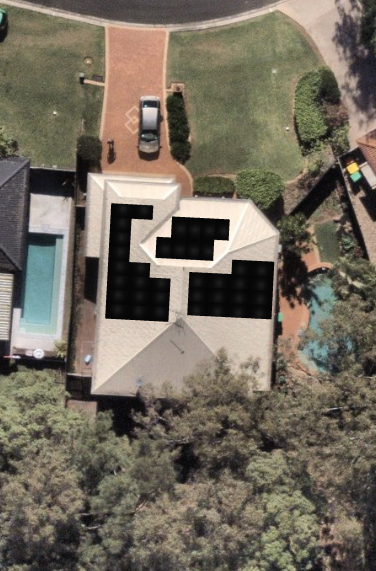
This homeowner in Chelmer undertook a significant renovation project that encompassed the installation of a powerful 17.86kW single-phase solar photovoltaic (PV) system, alongside a 30kWh modular battery storage solution, and comprehensive blackout protection for the entire residence. Additionally, a new ducted air conditioning system was incorporated into the overall plan to enhance comfort. Before integrating these advanced systems, it was essential to assess and upgrade the existing switchboard to ensure it met the latest compliance standards and effectively managed the increased electrical loads these installations would introduce. This proactive measure was crucial for the long-term efficiency and safety of the home’s electrical system.
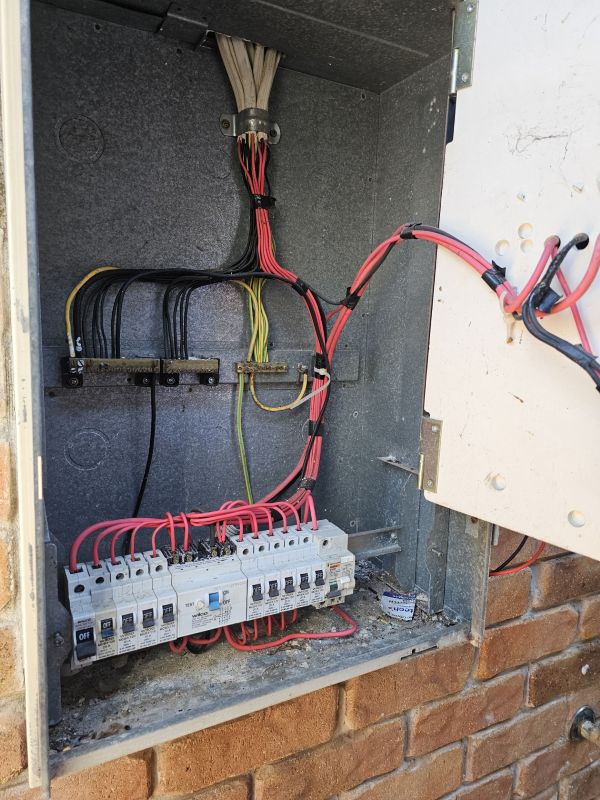
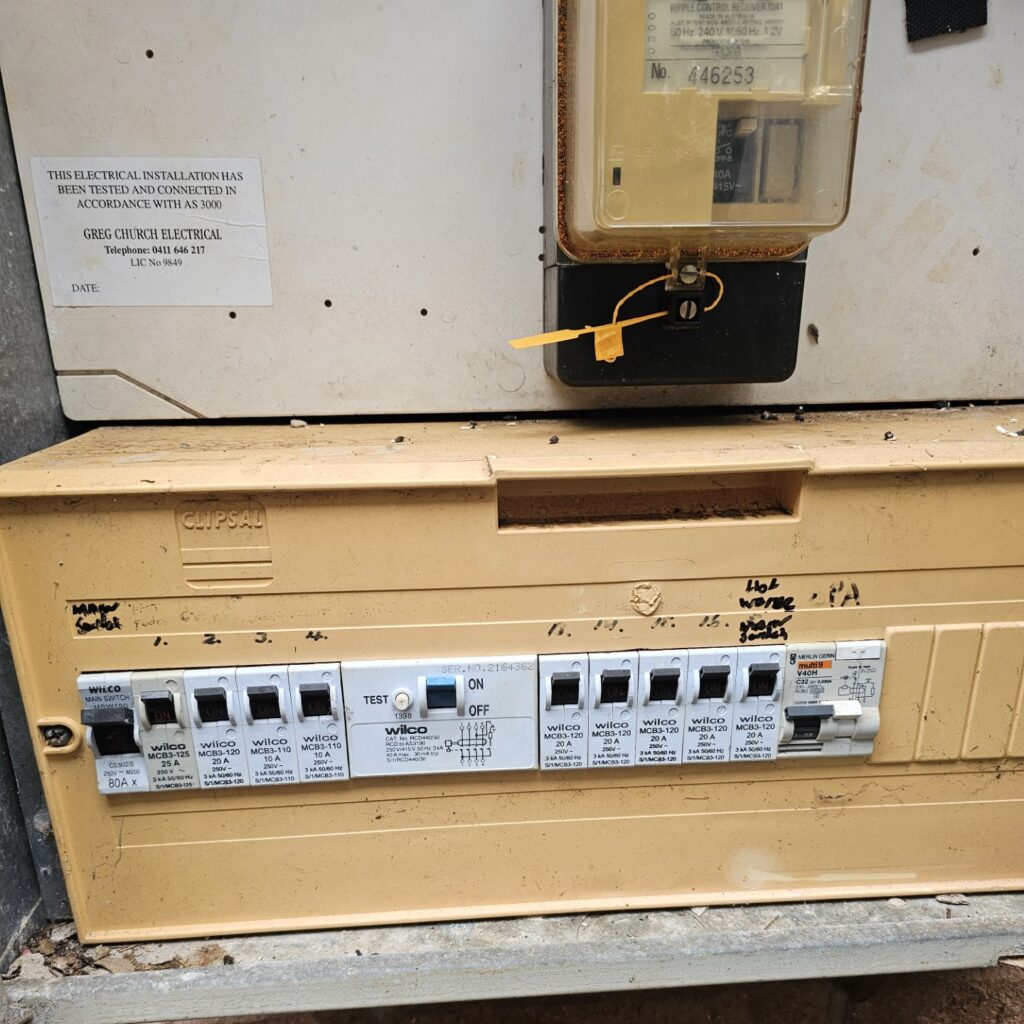
The original switchboard was outdated and equipped with obsolete circuit breakers, alongside a single Residual Current Device (RCD) that provided limited protection for the entire property. It lacked the capability to support the integration of solar energy and battery storage systems. Furthermore, the circuit labelling was deficient, rendering it non-compliant with the modern standards that govern contemporary energy generation systems. This lack of compliance represented a significant risk to the efficient operation of the newly upgraded systems, highlighting the necessity for a comprehensive switchboard upgrade.
Is a Three-Phase Upgrade Truly Necessary for Your Electrical System?
When assessing the requirements for a 17.86kW solar system combined with a 30kWh battery, there exists a common misconception that a three-phase upgrade is obligatory. This misunderstanding can lead to considerable financial repercussions for the homeowner, potentially incurring costs ranging from £3,500 to £6,000, alongside a prolonged wait for necessary approvals from Energex for network modifications. Such expenses can place a significant burden on households if they are not truly required.
In-Depth Technical Assessment Conducted to Determine Upgrade Necessity
Two critical factors played a vital role in determining whether a three-phase upgrade was genuinely necessary. Firstly, the supply cable for the residence was strategically located near the street junction. This advantageous positioning allowed the voltage rise calculation for solar energy export to comfortably remain within Energex’s single-phase limit of 2%. Secondly, the design of the solar and battery systems specifically aimed to reduce demand on the grid rather than increasing it, meaning there was no technical justification from the network’s perspective for the requirement of a three-phase upgrade. Additionally, the ducted air conditioning system was also found to meet essential parameters for efficient single-phase operation, reinforcing the decision to maintain the existing configuration.
As a result, the choice was made to retain the single-phase configuration. The switchboard was upgraded meticulously to ensure it could safely and competently manage all new electrical loads without compromising safety or compliance with established regulatory standards. This careful planning and execution ensured long-term reliability and efficiency for the homeowner’s electrical needs.
Thorough Examination of Installed Components for Enhanced Safety and Regulatory Compliance
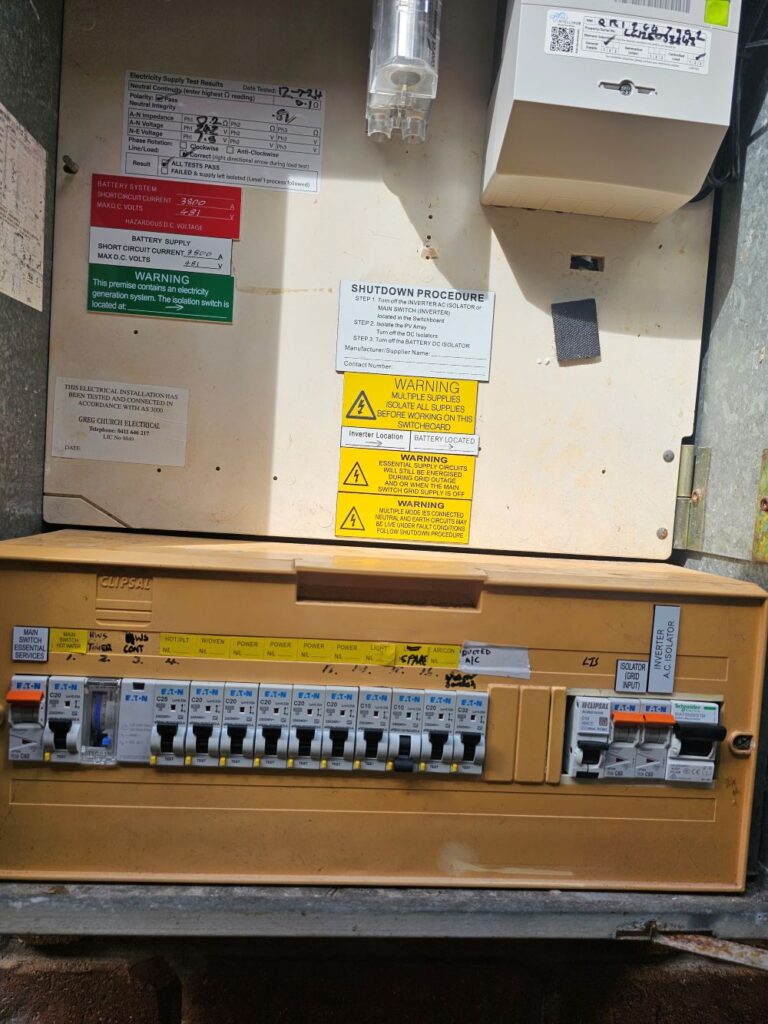
The existing switchboard underwent a complete dismantling and comprehensive reconfiguration process. Every circuit breaker was replaced with new, properly rated units from Eaton, with each breaker meticulously labelled for straightforward identification. The circuits were carefully separated into dedicated categories; power, lighting, hot plates, ovens, split system air conditioning, and ducted air conditioning each received individual circuits to enhance safety and ensure compliance with current regulations. This attention to detail significantly improves the operational efficiency and safety of the electrical system.
A timer was incorporated into the hot water service to guarantee its efficient operation during peak solar generation hours. This strategic addition greatly reduces reliance on the grid by optimising the use of the solar system’s output throughout the day, thereby maximising energy efficiency. Furthermore, a dedicated Hot Water Service (HWS) contactor circuit was installed to ensure proper functionality and efficiency, allowing for a seamless integration with the solar energy system.
The upgraded switchboard was designed for seamless integration with both the solar inverter and the battery system. This included the installation of an AC isolator, a dedicated grid isolator, and comprehensive safety labelling that clearly indicated the battery system’s rating at 481V DC, featuring a short-circuit current of 3800A, in addition to multiple supply warnings and a complete shutdown procedure. All electricity supply tests were successfully conducted and documented for the switchboard, ensuring its reliability and safety.
The completed switchboard now fully complies with the latest Australian standards, ensuring it is appropriately set up for any future electrical service work required at the property. This rigorous compliance guarantees the homeowner peace of mind regarding the safety and functionality of their electrical system.
Homeowner Reaps Benefits from Successful Upgrade
The homeowner has successfully acquired a fully upgraded and compliant switchboard that can safely support their solar system, a 30kWh battery, and ducted air conditioning, all operating efficiently within a single-phase configuration. Most importantly, they avoided unnecessary expenses associated with a three-phase upgrade that was not essential for their specific circumstances, allowing them to allocate their resources more effectively.
Have You Received a Quote for a Three-Phase Upgrade and Are Unsure About Its Necessity?
While three-phase upgrades can be crucial in certain situations, they are not universally required for every property. If you have received a substantial quote for a switchboard upgrade and are uncertain about its relevance to your specific situation, allow Precision Electrical & Air to conduct a thorough analysis. We will provide you with a clear and precise assessment based on your cable distance, load requirements, and the criteria that Energex will utilise to approve your property. Our aim is to ensure you make informed decisions without unnecessary expenditure.
We guarantee no upselling occurs; you will receive an accurate evaluation tailored to your home, ensuring that you understand the best options available.
Your Frequently Asked Questions Addressed
How do electricians determine the necessity of three-phase power for solar systems?
The assessment relies on two primary factors: voltage rise and load demand. Electricians evaluate the distance of the cable from your property to the street junction, calculating the potential voltage increase when your solar system exports energy back into the grid. Energex permits a maximum voltage rise of 2% for single-phase connections. If the cable run is short and the solar system’s export remains within this limit, a single-phase configuration is adequate. However, if the voltage rise exceeds this threshold, three-phase power becomes essential to distribute the export load across three conductors, effectively keeping the voltage rise within acceptable parameters.
Does having a larger solar system automatically necessitate three-phase power?
No, the size of the solar system alone does not dictate the requirement for three-phase power. A 17.86kW solar system can operate legally and safely on a single-phase basis if the voltage rise calculations are favourable and no new high-demand loads are added to the property. Key considerations include the cable length to the street junction, the existing load profile of the home, and the technical requirements from the network distributor—not solely the kilowatt rating of the solar panels. Understanding these factors is crucial for making informed decisions regarding electrical upgrades.
What is voltage rise, and why is it crucial for solar energy installations?
Voltage rise refers to the increase in electrical voltage that occurs when a solar system sends power back into the grid. The farther your home is from the street junction, the greater the resistance in the cable, resulting in a higher voltage rise during energy export. Excessive voltage rise can create complications for neighbouring properties connected to the same line. Network distributors like Energex enforce strict limits—typically set at 2% for single-phase connections. Electricians must calculate whether your solar system’s performance remains within this limit to ascertain whether single-phase or three-phase power is suitable for your property. This crucial assessment ensures safe and efficient energy distribution.
The Article: Solar, Battery and Ducted Air Conditioning Switchboard Upgrade in Chelmer first appeared on https://writebuff.com
The Article Solar Switchboard Upgrade for Battery and Ducted Air Conditioning in Chelmer Was Found On https://limitsofstrategy.com
The Article Solar Switchboard Upgrade for Chelmer’s Battery & Ducted Air Con found first on https://electroquench.com